
Kalyan Vihar Delhi is a well-established residential locality in North Delhi, flanked by Vijay Nagar, Old Gupta Colony, and CC Colony — and most significantly, by the Delhi University North Campus at barely 2 km. PIN code 110009. The locality sits in the Civil Lines-Mukherjee Nagar belt and carries a residential character shaped equally by its proximity to one of India’s most celebrated university corridors and by its easy access to the Yellow Line metro at GTB Nagar station.
With 40+ properties to buy and 5+ for rent, residents rate Kalyan Vihar 4.4 out of 5 for connectivity and 4.1 for safety — among the stronger scores for any North Delhi locality at this price point. The 2026 average apartment rate of ₹17,550 per sq ft places it in Delhi’s mid-to-upper band. What makes that rate interesting is the package it buys: Yellow Line metro access, four major DU colleges within easy reach, the Wazirpur and GT Karnal Road employment belt nearby, and the Majnu Ka Tila cultural quarter within walking distance.
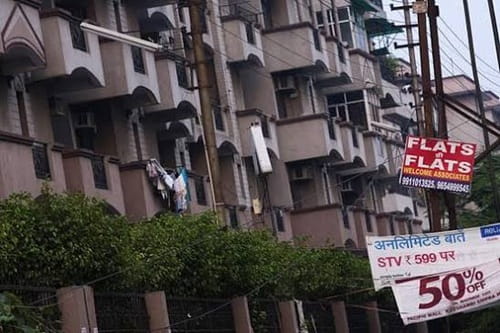
| Feature | Details |
| Location | North Delhi (Civil Lines-Mukherjee Nagar belt) |
| PIN Code | 110009 |
| Nearest Metro | GTB Nagar – Yellow Line (~1.5 km); Guru Tegh Bahadur Nagar – Yellow Line |
| Additional Metro | Model Town – Yellow Line; Vishwavidyalaya – Yellow Line (~2.4 km) |
| Railway Station | Delhi Azadpur Railway Station (~3.9 km); Subzimandi Railway Station |
| Key Roads | GT Karnal Road; Outer Ring Road; Dr KB Hegdewar Marg |
| Airport Distance | IGI Airport – approx. 20 km |
| Avg. Property Rate | ₹17,550 per sq ft (2026) |
| Monthly Rental Range | ₹15,000–₹40,000 |
| Colleges | Hansraj College; Kirori Mal College; Aryabhatt Institute; Laxmibai College |
| Key Hospitals | Capital Eye Centre; Aggarwal Dharmarth Hospital; Parmarth Mission Hospital |
| Key Employment | Wazirpur Industrial Area; GT Karnal Road; Azadpur Industrial Area (~within 5 km) |
| Resident Rating | 4.4/5 connectivity; 4.1/5 safety |
Kalyan Vihar Delhi Connectivity – Yellow Line Metro, DU Corridor, and Roads
GTB Nagar metro station on the Yellow Line is approximately 1.5 km from Kalyan Vihar — the locality’s primary daily transit anchor. The Yellow Line from GTB Nagar connects southward through Civil Lines, Kashmere Gate, Chandni Chowk, New Delhi, Rajiv Chowk, and the full Central and South Delhi spine toward AIIMS, Saket, and Huda City Centre in Gurugram, and northward through Azadpur, Adarsh Nagar, Jahangirpuri, and Samaypur Badli. Vishwavidyalaya metro station — the Delhi University station — is approximately 2.4 km from the locality, and Model Town station extends the Yellow Line access further north.
This Yellow Line concentration places Kalyan Vihar within a single corridor that connects it to virtually every major employment zone in Delhi and Gurugram without a line change. For DU students and faculty, the Vishwavidyalaya station option provides direct campus access. For professionals commuting to Connaught Place, ITO, or Bhikaji Cama Place, GTB Nagar is the practical entry.
Delhi Azadpur Railway Station at approximately 3.9 km and Subzimandi Railway Station provide suburban rail connectivity. Majnu Ka Tila — the Tibetan colony and transit interchange for buses toward Chandigarh, Himachal Pradesh, and Uttarakhand — sits within the locality’s accessible walking and auto zone and functions as a road transport hub for northward intercity travel.
GT Karnal Road (NH-44) runs along the zone’s eastern edge, connecting northward toward Haryana and southward toward Ring Road. Outer Ring Road provides north-south arterial access connecting toward Rohini, Pitampura, and southward toward Peeragarhi. Wazirpur Industrial Area at approximately 5 km and GT Karnal Road and Azadpur industrial zones within the same radius provide employment for a significant component of the North Delhi working population anchored in this belt.
Kalyan Vihar Delhi Landmarks and Key Facilities
Delhi University’s North Campus college cluster is Kalyan Vihar’s dominant institutional adjacency. Hansraj College — one of DU’s most celebrated colleges with consistent NIRF rankings and alumni including prominent public figures — is within the locality’s accessible zone. Kirori Mal College, Aryabhatt Institute of Technology, and Laxmibai College complete the multi-institution education corridor that directly shapes Kalyan Vihar’s tenant profile and local economy. The DU ecosystem — with its bookshops, cafes, coaching centres, cultural events, and student-driven commercial activity — spills into Kalyan Vihar’s surrounding lanes in ways that make the neighbourhood unusually vibrant for a North Delhi mid-segment address.
Majnu Ka Tila — Delhi’s Tibetan enclave on the Yamuna’s western bank — sits within the accessible zone. Its unique culture of Tibetan restaurants, momos, thukpa, butter tea, Tibetan handicrafts, and monastery activity makes it one of Delhi’s most distinctive cultural pockets. Long-term Kalyan Vihar residents treat it as a neighbourhood food destination rather than a tourist attraction.
Mirabai Park is the locality’s primary named green space — a maintained park for morning walks and children’s recreation within the residential zone itself. The Potala Ground bus stop and transit area near Majnu Ka Tila is an informal gathering point for the Tibetan community and students.
Patel Chest (Kamla Market area), DT City Centre, Aggarwal Plaza, Global Mall, Spark Mall, and TVR Mall are cited as shopping destinations within 2 to 9 km. Batra Cinema and Kamla Nagar Market — one of Delhi’s most popular student and young adult markets — are accessible for daily entertainment and fashion retail.
Schools, Colleges, and Healthcare in Kalyan Vihar
Darshan Academy is the most directly cited school within the Kalyan Vihar zone. The broader Civil Lines-Mukherjee Nagar school network — including Sarvodaya Vidyalayas, Delhi government schools, and coaching institutes for UPSC and competitive exams — extends educational access for the locality’s school-going and competitive-exam-preparing populations.
Capital Eye Centre handles specialist ophthalmic care within the zone. Aggarwal Dharmarth Hospital and Parmarth Mission Hospital serve secondary and routine care. Sant Nirankari Charitable Hospital, Adarsh Hospital, Sant Parmanand Hospital, and PJRM Hospital are within approximately 3 to 4 km — the same healthcare cluster accessible from the adjacent Gandhi Vihar and Nirankari Colony belt. Vallabhbhai Patel Chest Institute (VPCI) associated with Delhi University provides respiratory speciality care within the zone’s access radius.
Kalyan Vihar Delhi Real Estate – Property Rates and Market
At ₹17,550 per sq ft in 2026, Kalyan Vihar sits just below Delhi’s citywide average of ₹18,200–₹18,400 per sq ft — positioning it as a locality delivering above-average institutional and transit access at a fractional discount to the overall market. The 40+ properties available to buy and an active rental market reflect a community with genuine transaction depth rather than the thin 5-to-10-property inventories of smaller, purely owner-occupied North Delhi localities.
Monthly rentals of ₹15,000 to ₹40,000 capture the full range from student accommodation on the DU proximity end to larger family apartments at the premium end. The DU college ecosystem drives consistent rental demand from students, faculty, and support staff. Wazirpur and GT Karnal Road employment generates additional industrial and logistics worker demand. The resulting rental market is more diversified by tenant type than most comparable North Delhi addresses.
Specific listing data: a 2 BHK apartment in Shanti Niwas, Kalyan Vihar listed at ₹60 lakh in November 2025. Properties described as stable for owners with slow but low-risk capital growth — an investor characterisation consistent with a well-settled North Delhi locality without dramatic appreciation drivers in the short term.
Kalyan Vihar Delhi Environment – Green Streets, DU Adjacency, and Air Quality
Residents describe Kalyan Vihar’s internal environment as featuring green streets and parks nearby — a characterisation consistent with the broader Civil Lines-DU corridor where tree-lined roads and campus greenery extend beyond the university boundary into the surrounding residential lanes. Mirabai Park provides structured green access; the DU North Campus’s extensive green grounds are within a short walk or auto ride for leisure.
Air quality tracks North Delhi’s seasonal pattern: GT Karnal Road’s heavy vehicle traffic and Wazirpur Industrial Area’s emissions affect the zone’s eastern fringe. The DU campus’s tree cover and the Yamuna’s open floodplain at Majnu Ka Tila provide marginal mitigation. Winter inversions in October to January bring the standard Delhi poor-to-very-poor AQI deterioration.
Traffic congestion during peak hours — specifically around school and office hours — is the locality’s most consistently raised friction point. Water scarcity and occasional contamination have been flagged as infrastructure concerns, alongside insufficient parking space in the lanes closest to the DU-Mukherjee Nagar commercial activity zone. These are characteristic North Delhi urban trade-offs rather than exceptional conditions.
FAQs About Kalyan Vihar Delhi
Q1. Which metro stations serve Kalyan Vihar?
GTB Nagar on the Yellow Line is approximately 1.5 km away — the primary option. Vishwavidyalaya station (the DU metro station) is approximately 2.4 km, and Model Town is further north on the same line. The Yellow Line provides direct access to Connaught Place, AIIMS, Saket, and Gurugram without a line change.
Q2. Which DU colleges are near Kalyan Vihar?
Hansraj College, Kirori Mal College, Aryabhatt Institute of Technology, and Laxmibai College are all within the locality’s accessible zone. This DU college cluster is the primary driver of consistent student and faculty rental demand, making Kalyan Vihar one of North Delhi’s most reliably occupied mid-market rental localities.
Q3. What are property rates in Kalyan Vihar?
The average apartment rate is ₹17,550 per sq ft in 2026 — just below Delhi’s citywide average. Monthly rentals run ₹15,000 to ₹40,000. 40+ properties are available to buy. Resident satisfaction scores of 4.4 (connectivity) and 4.1 (safety) are among the stronger in North Delhi at this price band.
Q4. What is Majnu Ka Tila and how close is it?
Majnu Ka Tila is Delhi’s Tibetan enclave on the Yamuna’s western bank — a cluster of Tibetan restaurants, momos shops, butter tea cafes, monasteries, and handicraft stores that constitute one of Delhi’s most culturally distinctive neighbourhoods. It sits within the accessible walking and auto zone from Kalyan Vihar and is treated as a neighbourhood food and cultural destination by residents.
Q5. What employment zones are near Kalyan Vihar?
Wazirpur Industrial Area, GT Karnal Road industrial corridor, and Azadpur Industrial Area are all within approximately 5 km — providing factory, warehouse, and light manufacturing employment. Netaji Subhash Place, North Delhi’s major IT and office hub, is approximately 11 km via Dr KB Hegdewar Marg. The Yellow Line metro provides employment access across the full Delhi and Gurugram corridor.