
Qutub Vihar Delhi is a residential locality in South West Delhi, spread across multiple phases — Phase 1, Phase 2, and extensions — in the Dwarka-Kakrola zone adjacent to Goyla Dairy, Bharthal, and Shyam Vihar. PIN code 110071 (Phase 1, near Dwarka). The locality’s defining characteristic is its dual positioning: it sits within reach of Dwarka’s Blue Line metro corridor while remaining in Delhi’s South West administrative zone, and carries proximity to two nationally significant institutions — Guru Gobind Singh Indraprastha University (GGSIPU) and National Law University Delhi — that create consistent educational-sector rental demand and give the zone an institutional gravity well above its neighbourhood scale.
Residents rate Qutub Vihar 4.2 out of 5 for connectivity and 3.9 for safety — Phase 1 ratings. Phase 2 carries a lower score of 3.6 for connectivity and 3.4 for safety, reflecting the greater distance from metro stations and the more organically developed character of the later phases. Overall, with 50+ properties to buy and 20+ to rent, Qutub Vihar maintains an active transaction market for an outer South West Delhi address.
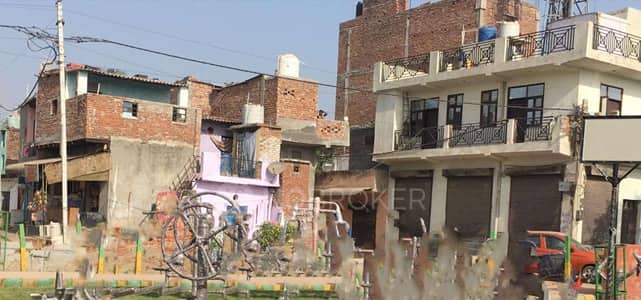
Quick Overview
| Feature | Details |
| Location | South West Delhi (Dwarka-Kakrola zone) |
| PIN Code | 110071 (Phase 1) |
| Nearest Metro | Dwarka Sector 11 – Blue Line (~5.2 km) |
| Additional Metro | Dwarka Sector 12 – Blue Line; Dwarka Sector 13 – Blue Line; Dwarka Sector 14 – Blue Line; Yashobhoomi Dwarka Sector 25 – Blue Line (~5.6 km) |
| Railway Stations | Shahabad Mohammadpur Railway Station; Bijwasan Railway Station |
| Airport Distance | IGI Airport – approx. 10–12 km |
| Key Roads | Kakrola Road; UER-2 (Urban Extension Road 2 – under construction) |
| Key Institutions | Guru Gobind Singh Indraprastha University; National Law University Delhi; University School of Information Technology; Trinity Institute of Professional Studies |
| Avg. Property Rate | ₹9,871 per sq ft (NoBroker 2026); ₹8,100 per sq ft (99acres avg) |
| Monthly Rental | ₹6,900–₹22,100 |
| YoY Appreciation | 23% over 2 years (resident cited) |
| Key Hospitals | Mata Sumitra Devi Hospital; Lifeline Hospital; Kalpavriksh Super Speciality Centre; Venkateshwar Hospital (~accessible) |
| Key Schools | Venkateshwar International School; Modern School; Satya Public School; New Galaxy Public School |
| Connectivity Rating | 4.2/5 (Phase 1); 3.6/5 (Phase 2) |
Qutub Vihar Delhi Connectivity – Dwarka Blue Line, UER-2, and Airport Access
Dwarka Sector 11 metro station on the Blue Line is approximately 5.2 km from Qutub Vihar — the primary metro access point. Dwarka Sector 12, 13, and 14 on the same Blue Line are additional options at comparable distances. The Blue Line from any of these stations connects eastward through Janakpuri, Rajouri Garden, Kirti Nagar, Rajiv Chowk, and the full Central Delhi-Noida corridor, and southward toward Dwarka Sector 21. Yashobhoomi Dwarka Sector 25 on the Blue Line extension is at approximately 5.6 km — with the Yashobhoomi convention centre’s commercial activity generating additional transit demand.
The metro distance of 5+ km is Qutub Vihar’s most consistently flagged connectivity limitation. Residents primarily access the metro by auto or shared cab rather than walking, adding 15 to 20 minutes to any metro commute. Phase 1 rates connectivity at 4.2 (manageable); Phase 2 at 3.6 (more noticeable friction).
Urban Extension Road 2 (UER-2) — the Delhi ring expressway under construction — passes through or near Qutub Vihar’s boundary. When complete, it will significantly improve road connectivity toward IGI Airport (currently approximately 10 to 12 km) and toward Gurgaon. This proximity to UER-2 is specifically cited as making the area “an increasingly attractive location for homebuyers and investors.” IGI Airport’s current 10 to 12 km distance is one of Qutub Vihar’s significant locational advantages — placing it among the closer residential addresses to the airport in the South West Delhi affordable segment.
Shahabad Mohammadpur and Bijwasan railway stations provide suburban rail connectivity. Princess Park — a transit reference point near the Shahabad Mohammadpur zone — is listed as a landmark in multiple 99acres transit descriptions. Kakrola Road connects the locality through the village road network toward Dwarka’s sector grid.
Qutub Vihar Delhi Landmarks and Key Facilities
Guru Gobind Singh Indraprastha University (GGSIPU) is the most significant institutional landmark in the immediate zone — Delhi’s state technical university with approximately 125,000 students enrolled across its affiliated colleges covering engineering, management, law, mass communication, pharmacy, and medical education. Its proximity is the primary driver of consistent student and faculty rental demand in Qutub Vihar. University School of Information Technology and Trinity Institute of Professional Studies are affiliated with or associated with GGSIPU’s broader academic cluster.
National Law University Delhi — one of India’s top law schools and a National Law University in the prestigious NLU network — is within the accessible zone, adding legal education institution weight to the neighbourhood’s academic ecosystem.
Vegas Mall is the primary retail and entertainment destination for Qutub Vihar — the closest large-format mall with multiplex entertainment, branded retail, and F&B. City Centre Dwarka provides additional organised retail options. Fish Market within the local area serves daily grocery and produce needs. Local gyms, parks, and commercial markets within the colony’s blocks handle fitness and daily shopping.
Princess Park — a named park within the broader zone — is referenced in connectivity data as a local landmark providing green recreational access.
Schools, Healthcare, and Real Estate in Qutub Vihar
Venkateshwar International School and Modern School are the two most referenced schools for the locality zone. Satya Public School and New Galaxy Public School serve additional K–12 education needs within Qutub Vihar’s immediate zone. The 17 educational institutes within the broader Qutub Vihar accessible radius — including GGSIPU, National Law University, University School of Information Technology, and Trinity Institute of Professional Studies — create a remarkably dense educational ecosystem for a South West Delhi sub-locality of this size.
Mata Sumitra Devi Hospital is the most directly cited hospital within the locality — covering general medicine, maternity, and routine care. Lifeline Hospital and Kalpavriksh Super Speciality Centre extend the secondary care network. Venkateshwar Hospital, one of South West Delhi’s larger multi-specialty hospitals, is accessible from the broader zone for tertiary and emergency requirements.
The property market in Qutub Vihar is active and appreciating. Average apartment rates stand at ₹9,871 per sq ft (NoBroker 2026) and ₹8,100 per sq ft (99acres), reflecting the moderate spread across phases and housing types. A resident’s direct testimonial — “I bought a 2 BHK here in 2023 and it has risen by 23% over 2 years” — is consistent with the broader South West Delhi appreciation trend. Monthly rentals run ₹6,900 to ₹22,100. The average property price for a standard 600 sq ft 1 BHK apartment is approximately ₹48.6 lakh.
Phase 1 (near Block E Qutub Vihar Phase 1 and Goyla Dairy) carries better connectivity ratings and trades at the upper end of the range. Phase 2 is more affordable but has lower connectivity and safety scores.
Environment – Gardens, Kakrola Open Zone, and Air Quality
Qutub Vihar’s environmental profile carries an unusual positive: residents specifically mention gardens and parks as among the area’s best features — “the best thing about the area is its gardens and parks, which add natural beauty and keep the surrounding breezy.” This assessment is consistent with Qutub Vihar’s South West Delhi fringe positioning, where the open agricultural and semi-rural land adjacent to the Kakrola, Bharthal, and Goyla Dairy zone provides green sightlines and air circulation that landlocked inner-Delhi localities cannot replicate.
The UER-2 proximity is eventually a positive for connectivity but currently a source of construction dust and disruption for the zone’s boundary-facing properties. Highway traffic once UER-2 becomes operational will also create a new vehicular pollution exposure that the locality currently avoids.
Known challenges: high pollution levels and heavy traffic flow are cited by residents — consistent with the Outer Ring Road and Rohtak Road belt’s vehicle load affecting South West Delhi. IGI Airport flight paths add aviation noise to the southern blocks on specific approach corridors. The overall character remains cleaner and more open than comparable Inner Delhi zones, but winter inversions bring the standard Delhi AQI deterioration from October to January.
5 FAQs About Qutub Vihar Delhi
Q1. Which metro stations are nearest to Qutub Vihar?
Dwarka Sector 11 on the Blue Line is approximately 5.2 km away. Dwarka Sectors 12, 13, 14, and Yashobhoomi Dwarka Sector 25 are comparable alternatives. All are accessible by auto in 15 to 20 minutes. The distance from the metro is Qutub Vihar’s primary connectivity limitation, with Phase 1 managing it better than Phase 2.
Q2. Which universities are near Qutub Vihar?
Guru Gobind Singh Indraprastha University — Delhi’s state technical university with 125,000 enrolled students — is within the immediate zone. National Law University Delhi, University School of Information Technology, and Trinity Institute of Professional Studies are all accessible within the same zone. This educational cluster directly drives consistent rental demand in the locality.
Q3. What are property rates in Qutub Vihar?
Average apartment rates are ₹9,871 per sq ft (NoBroker) and ₹8,100 per sq ft (99acres). Monthly rentals run ₹6,900 to ₹22,100. A standard 600 sq ft 1 BHK averages ₹48.6 lakh. A resident cited 23% appreciation over 2 years on a 2 BHK purchase in 2023.
Q4. How close is IGI Airport from Qutub Vihar?
Approximately 10 to 12 km — one of the closer airport distances for an affordable South West Delhi locality. UER-2’s completion will further improve road access. This proximity benefits airport workers, frequent flyers, and investors who value airport-adjacent residential addresses.
Q5. What is the difference between Qutub Vihar Phase 1 and Phase 2?
Phase 1 is closer to Dwarka metro stations, rates connectivity at 4.2 and safety at 3.9, and trades at the upper end of the price range. Phase 2 has a lower connectivity score (3.6) and safety score (3.4), reflecting greater metro distance and more organic development character. Phase 1 near Block E is generally the preferred investment choice.