
An elderly grandmother in Chennai genuinely mentions to her daughter that her hip has been “clicking” during her evening walks, alongside a dull ache that seems to radiate strangely into her thigh rather than staying put in her hip itself. This exact confusion, wondering whether groin or thigh pain even means the hip at all, genuinely trips up countless people trying to understand what’s actually happening inside one of the body’s largest, hardest-working joints. Understanding how your hip actually functions, and what genuinely causes it to break down over time, matters enormously as you age.
Here’s why these facts genuinely deserve your attention beyond casual curiosity: hip arthritis genuinely affects a staggering share of older adults, hip replacement surgery ranks among the most commonly performed operations worldwide, and knowing the genuine warning signs and risk factors helps you seek treatment before the condition genuinely limits your daily independence.
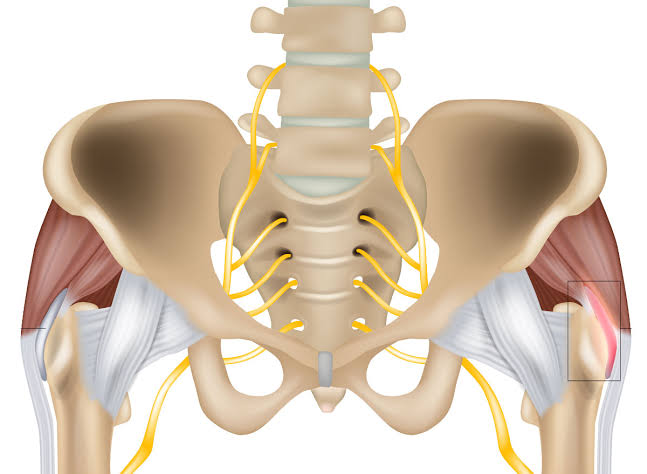
1. Your Hip Is Genuinely a Ball-and-Socket Joint
This structure genuinely explains why the hip allows such remarkable range of motion compared to simpler joints elsewhere in the body. The ball sits at the top of your thighbone, called the femoral head, fitting into a socket in your pelvis called the acetabulum. This ball-and-socket design genuinely lets your leg move in nearly every direction, forward, backward, sideways, and rotating, movement your knee’s simpler hinge structure genuinely cannot replicate.
2. A Special Cartilage Rim Genuinely Provides Extra Stability
Beyond the smooth cartilage coating the ball and socket surfaces, a strong cartilage structure called the labrum genuinely lines the outer rim of the socket, providing additional stability to keep the ball properly seated within the socket during movement. This labrum genuinely represents a distinct injury risk of its own, labral tears can occur independently, sometimes eventually requiring hip replacement even in patients as young as their 40s or 50s when the tear becomes genuinely symptomatic and disruptive.
3. The Synovial Membrane Genuinely Eliminates Almost All Friction
A thin tissue called the synovial membrane genuinely surrounds the hip joint, producing a small amount of fluid that lubricates the cartilage and eliminates almost all friction during hip movement. This natural lubrication system genuinely explains why a healthy hip moves so smoothly and painlessly, and why arthritis, which reduces this lubricating fluid alongside damaging cartilage, genuinely creates that distinctive grinding, rough sensation patients describe once the condition progresses.
4. Hip Osteoarthritis Genuinely Affects an Estimated 80% of People Over 65
This statistic genuinely puts the condition’s reach into stark perspective, hip osteoarthritis, in more or less serious forms, is estimated to affect the overwhelming majority of people once they cross this age threshold. This doesn’t mean everyone experiences severe, debilitating symptoms, the severity genuinely varies enormously from person to person, but it does mean some degree of hip cartilage wear genuinely represents a near-universal part of ageing rather than an unusual health problem.
5. Hip Pain Genuinely Often Shows Up in the Groin, Thigh, or Buttock Rather Than the Hip Itself
This is genuinely one of the most confusing aspects of hip problems for patients trying to self-diagnose. Pain from hip arthritis can genuinely occur in the groin, radiating from your hip into the thigh, buttock, or upper leg, rather than staying localised precisely where the joint itself sits. This referred pain pattern genuinely means many people initially suspect a different problem entirely, a pulled muscle, back issue, or groin strain, before eventually discovering their actual hip joint is the genuine source.
6. Previous Injury and Family History Genuinely Increase Your Risk Considerably
A previous hip injury or a family history of arthritis genuinely increases your likelihood of developing hip arthritis yourself. Beyond these two factors, obesity, severe hip trauma, and acquired conditions like avascular necrosis, where bone tissue genuinely dies due to insufficient blood supply, all genuinely contribute to hip joint deterioration. Understanding your own specific risk profile genuinely helps you and your doctor watch more closely for early symptoms rather than waiting until pain becomes severe.
7. There’s Genuinely No Cure for Hip Osteoarthritis, But Conservative Treatment Helps Considerably
This deserves honest acknowledgement rather than false promises. There’s genuinely no cure for hip osteoarthritis, but conservative treatments can meaningfully help manage the symptoms and slow further progression. These approaches typically include lifestyle modifications specifically to reduce stress on your hip joint, losing weight, changing physically demanding jobs, or stopping activities that genuinely aggravate the pain, alongside physical therapy and appropriate pain management.
8. Joint Injections Genuinely Work Less Reliably for Hips Than Other Joints
This is worth knowing before assuming injections will genuinely provide the same relief they might for a knee or shoulder. Corticosteroid injections can be helpful for some hip arthritis patients, but joint injections generally appear less useful for hip arthritis than for arthritis in other joints, partly because of the genuine difficulty in accurately injecting the hip joint given its deep, less accessible location compared to more superficial joints elsewhere in the body.
9. Hip Replacement Surgery Genuinely Ranks Among the Most Common Operations Performed Worldwide
This procedure genuinely represents one of the most commonly performed surgeries globally, with hundreds of thousands of patients undergoing hip replacement every single year. When conservative treatments fail, hip replacement surgery can reliably eliminate the symptoms of hip osteoarthritis, and the procedure has genuinely improved considerably over recent decades, with both infection and dislocation rates now very low, making it a genuinely successful, well-established operation rather than a last-resort risk.
10. Hip Replacements Genuinely Last Different Lengths of Time Depending on Your Age
Depending on your age at the time of surgery, your hip replacement may genuinely last the rest of your life, particularly for older patients. Younger people undergoing hip replacement may genuinely need another surgery after several decades, since the prosthesis components genuinely wear out gradually over time regardless of how well the initial surgery was performed. This age-dependent lifespan genuinely factors into how doctors counsel younger patients specifically about timing elective hip replacement surgery.
Frequently Asked Questions
Q1. Why does my hip arthritis pain genuinely show up in my thigh or groin instead of my hip itself?
This is genuinely a common pattern called referred pain, where hip joint problems create sensations felt in the groin, thigh, or buttock rather than precisely at the hip joint, often leading people to initially suspect a different, unrelated problem before discovering the actual source.
Q2. Is it genuinely true that almost everyone develops some hip arthritis if they live long enough?
Yes, genuinely, hip osteoarthritis is estimated to affect roughly 80% of people over 65 in some form, though severity varies enormously between individuals, meaning many people experience only mild symptoms rather than significant disability.
Q3. Should I genuinely expect a corticosteroid injection to relieve my hip arthritis pain the way it might for a knee?
Not necessarily as reliably, hip joint injections generally work less consistently than for other joints, partly due to the genuine technical difficulty of accurately injecting the deeper, less accessible hip joint compared to more superficial joints.
Q4. How do I genuinely know when it’s time to consider hip replacement surgery rather than continuing conservative treatment?
When hip pain and stiffness genuinely make it difficult to get out of bed, walk short distances, or significantly limits your normal daily activities despite conservative treatments, that’s genuinely the point to discuss hip replacement surgery seriously with your doctor.