
Nihal Vihar Delhi is a densely populated residential locality in the western part of Delhi, sitting in the Nangloi-Paschim Vihar belt along the Outer Ring Road and Nangloi-Najafgarh Road corridor. PIN code 110041. The locality shares borders with Block GH-12 Paschim Vihar to its east, Ambica Vihar and LIC Colony to its west, and the broader Nangloi zone to its north — placing it in a residential grid that has the Green Line metro, the Blue Line, and multiple railway stations within accessible range without any of them sitting directly inside the locality.
Nihal Vihar is West Delhi’s affordable mid-density answer — residential housing for working-class and lower-middle-income families at prices well below Paschim Vihar or Janakpuri while retaining access to the same metro-and-road network. Residents rate it 4 out of 5 for connectivity and 3.8 for safety — scores that reflect functional daily mobility with known infrastructure gaps in internal road quality and hygiene management.
| Feature | Details |
| Location | Nangloi zone, West Delhi |
| PIN Code | 110041 |
| Metro Stations | Surajmal Stadium – Green Line (nearest); Nangloi – Green Line; Udyog Nagar – Green Line (~3 km) |
| Railway Stations | Nangloi Railway Station; Mangolpuri Railway Station |
| Key Roads | Nangloi-Najafgarh Road; Outer Ring Road; Delhi-Rohtak Road |
| Airport Distance | IGI Airport – approx. 16–18 km via NH-48 |
| Resident Rating | 4/5 connectivity; 3.8/5 safety |
| Property Type | Independent houses, builder floors, plotted constructions |
| Entry Property Price | 1 BHK from ₹6 lakh; 2 BHK from ₹22.5 lakh (RZF Nihal Vihar) |
| Neighbouring Areas | Paschim Vihar, Chander Vihar (West), Peera Garhi, Aman Vihar |
Nihal Vihar Delhi Connectivity – Green Line Metro, Rail, and Roads
The Green Line metro is Nihal Vihar’s primary metro corridor. Surajmal Stadium metro station is the nearest Green Line station, within practical auto or e-rickshaw distance from the locality’s core. Nangloi metro station is similarly accessible. Udyog Nagar metro station, approximately 3 km from Nihal Vihar, extends the Green Line’s reach westward toward Maharajpur and Bahadurgarh. The Green Line connects the locality eastward through Kirti Nagar, Inderlok, and Netaji Subhash Place toward Central Delhi — a corridor that gives Nihal Vihar residents access to North and Central Delhi’s commercial and employment spine without requiring Blue Line interchange travel.
Peera Garhi metro station on the Blue Line is accessible at greater distance, bringing Nihal Vihar’s broader metro network to include both the Blue Line’s Dwarka-Noida corridor and the Green Line’s Inderlok-Bahadurgarh axis.
Nangloi Railway Station handles suburban rail services and is among the closest rail options. Mangolpuri Railway Station provides an alternative suburban rail point. The Delhi-Rohtak Road runs through the broader Nangloi zone and connects westward toward Rohtak, Bahadurgarh, and the Haryana highway network. Outer Ring Road provides north-south arterial connectivity — linking Nihal Vihar northward toward Rohini and southward toward Vikaspuri and Uttam Nagar.
IGI Airport is approximately 16 to 18 km from Nihal Vihar via NH-48 — a reasonable journey time during off-peak hours and a congested one during morning peak on the NH-48 corridor.
Nihal Vihar Delhi Landmarks and Key Facilities
Paschim Vihar Market is the primary retail destination for Nihal Vihar residents — a well-established commercial hub carrying branded clothing, electronics, household items, grocery stores, and daily services. DDA Market within the Nihal Vihar zone handles neighbourhood-level grocery and household needs without requiring a trip to the larger Paschim Vihar commercial strip.
Satyam Cineplex and PVR Cinema are accessible retail entertainment options, with Unity Mall, DT City Centre, and Pacific Mall within reach in the broader West Delhi belt for multiplex entertainment and branded retail. Punjabi Bagh Central Market — a premium retail and commercial area — is approximately 4 to 5 km from the locality, accessible by Green Line metro or road.
Don Bosco School, Bosco Sr. Secondary School, and Vishal Bharti Public School are the educational institutions consistently referenced for the Nihal Vihar-Block U zone. These are within walkable or short auto distance, covering the locality’s K–12 educational needs.
Schools and Healthcare in Nihal Vihar
The school landscape around Nihal Vihar is adequately served for primary and secondary education. Bosco Sr. Sec School — run by the Salesian Brothers, with a long-standing reputation in West Delhi — is the zone’s most recognised secondary school. Vishal Bharti Public School and Sarvodaya Vidyalaya cover government and private primary school options. St. Prayag School and Mount Abu Junior Branch School serve the southern Nihal Vihar pockets toward Aman Vihar.
Healthcare is managed through a network of secondary facilities within the zone. Government Eye Hospital provides specialist ophthalmic care. Matrchaya Child Care handles paediatric and maternity services. Bhatia Global Hospital covers general and secondary multi-specialty care. Brahm Shakti Hospital and Kesar Hospital serve routine and emergency requirements in the neighbourhood. Konarc Hospital and Satyabhama Hospital extend the healthcare network within the broader Nangloi zone. For tertiary care, Safdarjung Hospital in Central Delhi is the primary government tertiary referral option for West Delhi residents — accessible by Green Line metro in approximately 35 to 45 minutes.
Nihal Vihar Delhi Real Estate – Property Rates and Market
Nihal Vihar sits firmly in Delhi’s affordable housing category. RZF Nihal Vihar — one of the named housing clusters within the locality — lists 1 BHK apartments from ₹6 lakh and 2 BHK from ₹22.5 lakh. The Nangloi zone median price is approximately ₹5,800 per sq ft, against Delhi’s overall average of ₹16,400 per sq ft — placing Nihal Vihar at roughly one-third the city average. This is the locality’s defining proposition: genuinely central West Delhi access to the Green Line metro and Outer Ring Road, at a fraction of what Paschim Vihar or Janakpuri demand.
The housing stock consists predominantly of independent houses and builder floors on plotted land — a legacy of West Delhi’s organic development pattern rather than DDA society construction. This gives buyers flexibility in plot size, floor choice, and layout customisation that apartment-dominant localities cannot match. The trade-off is density without society-level amenities: no gated community, no shared security, no maintained lift infrastructure.
Rental demand exists from working-class families, daily wage workers, and lower-income service sector employees drawn by the price point and Outer Ring Road accessibility to employment across North and West Delhi. Nihal Vihar is not an investor-churn market — it is a long-residence community where properties change hands infrequently and tenants stay for extended periods.
Nihal Vihar Delhi Environment – Density, Road Quality, and Air
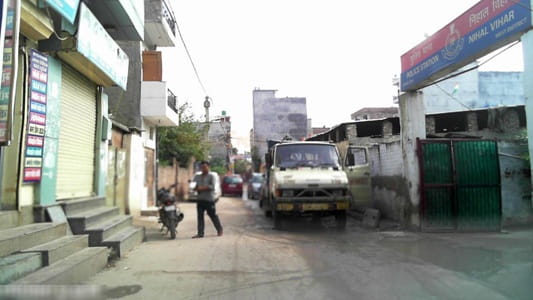
Nihal Vihar’s environmental character is shaped by its density and organic growth pattern. The locality is built tightly — narrow lanes in most blocks, limited internal open space, and organic building footprints that leave little room for greenery beyond the occasional tree in a courtyard. Residents frequently mention poor road conditions in internal lanes, inadequate drainage leading to waterlogging during heavy monsoon, and patchy garbage management as the primary quality-of-life friction points.
The notable exception is green access at a neighbourhood level: parks near Surajmal Stadium and the DDA-maintained green spaces around the Paschim Vihar and Nangloi sector borders provide morning walk and children’s play areas within a short walk or auto ride. The area’s safety rating of 3.8 out of 5 reflects a community where crime is infrequent but street safety after dark — particularly in narrower internal lanes — is uneven.
Air quality in Nihal Vihar tracks West Delhi’s winter pollution cycle, with the Delhi-Rohtak Road’s vehicle traffic and the Nangloi Industrial Area’s emissions contributing to the zone’s baseline particulate load. Post-monsoon and spring months see notably better air quality. Power supply in the locality is rated as generally reliable by residents — one of the understated quality-of-life positives that those living here mention but outsiders rarely include in neighbourhood assessments.
5 FAQs About Nihal Vihar Delhi
Q1. Which metro stations serve Nihal Vihar?
Surajmal Stadium metro station on the Green Line is the nearest. Nangloi metro station on the same line is a second option. Udyog Nagar metro station extends Green Line access approximately 3 km from the locality, connecting toward Bahadurgarh via the extended Green Line. Peera Garhi on the Blue Line is accessible at greater distance for Noida and Dwarka commuters.
Q2. What are property rates in Nihal Vihar Delhi?
1 BHK apartments start from approximately ₹6 lakh and 2 BHK from ₹22.5 lakh within RZF Nihal Vihar. The Nangloi zone median is approximately ₹5,800 per sq ft — significantly below Delhi’s ₹16,400 city average. Independent houses and plotted builder floors dominate the housing stock.
Q3. Which school is most prominent near Nihal Vihar?
Bosco Sr. Sec School — part of the Salesian Brothers educational network — is the most consistently referenced school for the Nihal Vihar-Block U zone. Vishal Bharti Public School and Sarvodaya Vidyalaya serve primary and secondary education. Eight educational institutions are within accessible distance according to real estate data.
Q4. What shopping facilities are accessible from Nihal Vihar?
Paschim Vihar Market is the primary retail hub, accessible by auto or e-rickshaw. DDA Market handles daily grocery needs locally. Satyam Cineplex, Unity Mall, and DT City Centre cover entertainment. Punjabi Bagh Central Market is approximately 4 to 5 km by Green Line metro.
Q5. How does Nihal Vihar compare to Paschim Vihar?
Nihal Vihar sits adjacent to Paschim Vihar but at a price point roughly one-third lower. Paschim Vihar offers wider planned roads, DDA-era planned colony infrastructure, and higher property values (₹14,400–₹26,900 per sq ft). Nihal Vihar offers the same Green Line metro access and Outer Ring Road road connectivity at fraction the property cost, with the trade-off of tighter lane density, older housing stock, and lower-grade shared infrastructure.