
A 26-year-old software developer in Hyderabad genuinely spends over a year dealing with unexplained weight gain, persistent fatigue, and mood swings, assuming it’s simply work stress catching up with her, before blood tests genuinely reveal a significant hormonal imbalance she’d never considered possible at her age. This exact story genuinely repeats across India’s younger urban population increasingly, hormonal disruption has genuinely stopped being something that primarily affects middle-aged or elderly people, and understanding these genuine shifting patterns matters enormously for recognising symptoms early rather than dismissing them as ordinary stress.
Here’s why these facts genuinely deserve your attention beyond casual interest: hormones genuinely regulate an extraordinary range of bodily functions silently in the background, and India specifically is genuinely seeing hormonal disorders emerge earlier in life and affect broader populations than historical patterns would predict, making understanding these genuine changes considerably more relevant than ever.
1. Hormones Genuinely Function as Your Body’s Chemical Messenger System
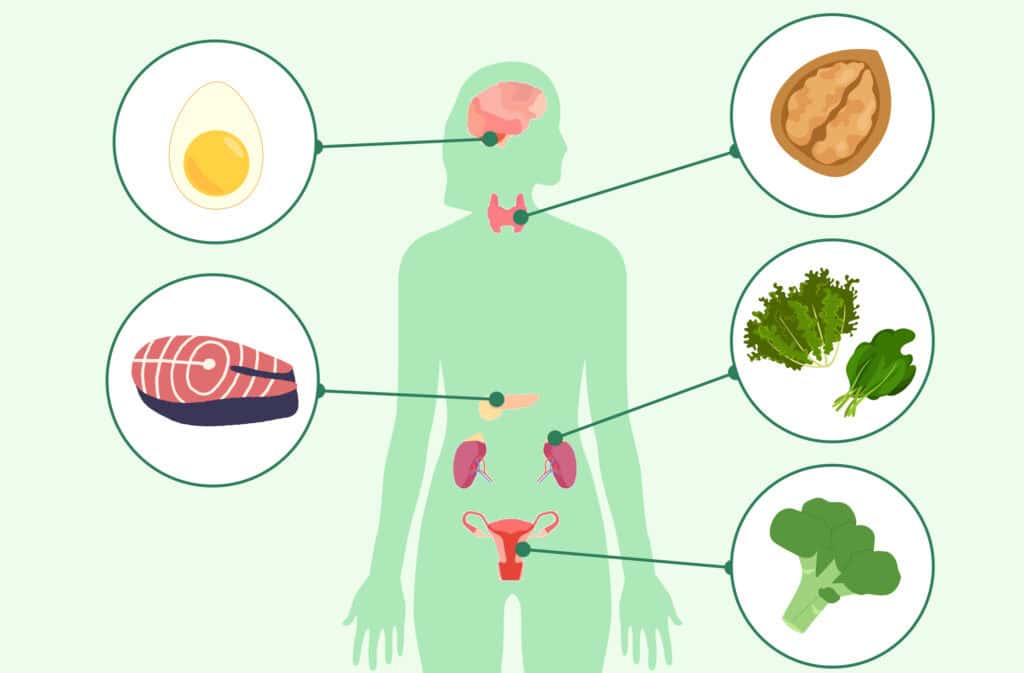
This foundational understanding genuinely matters before exploring anything else. Hormones are genuinely regulatory chemical messengers produced by your endocrine glands, travelling through your bloodstream to direct and control physiological functions throughout your body. This means hormones genuinely coordinate processes as varied as metabolism, growth, mood, and reproduction, all through this same basic chemical signalling system operating continuously without you ever consciously noticing it.
2. Hormonal Imbalance Is Genuinely Rising Sharply Among Indian Women in Their 20s and 30s
This shift deserves serious, specific attention given how it contradicts older assumptions about who faces hormonal risk. Hormonal imbalance in women has genuinely emerged as one of the fastest-growing health concerns in 2026, particularly among women in their 20s and early 30s, no longer confined to older, perimenopausal populations. This genuinely means younger Indian women experiencing irregular periods, unexplained weight gain, or persistent acne shouldn’t automatically dismiss these symptoms as unrelated to hormones simply because of their age.
3. Chronic Stress Genuinely Disrupts Your Entire Hormonal Balance Through Cortisol
This connection deserves genuine understanding since stress affects considerably more than just how you feel emotionally. Chronic stress can genuinely lead to elevated cortisol levels, which disrupts the balance of other hormones throughout your body. This means the persistent workplace and lifestyle stress increasingly common among younger Indians genuinely translates into measurable hormonal disruption, not merely a subjective feeling of being overwhelmed.
4. Hormonal Imbalance Genuinely Affects People Across Every Single Age Group
This deserves emphasis since hormonal concerns are often mistakenly viewed as exclusively affecting specific life stages. Hormonal imbalance can genuinely affect individuals of all ages, from children with growth hormone disorders to adolescents with PCOS, adults with thyroid dysfunction, and elderly individuals experiencing menopause or age-related endocrine changes. This genuine breadth means hormonal health deserves attention throughout your entire lifespan rather than only during specific expected transition periods.
5. Many People Genuinely Dismiss Hormonal Warning Signs as Simply Normal Life
This deserves particular attention given how easily these symptoms get overlooked. Many people genuinely ignore early symptoms such as fatigue, weight gain, irregular periods, hair fall, mood changes, or reduced libido, considering them a normal part of life rather than potential indicators of underlying endocrine dysfunction requiring proper evaluation. This means genuine hormonal issues frequently go unaddressed for extended periods simply because sufferers assume these symptoms are unavoidable rather than treatable.
6. Thyroid Hormone Imbalance Genuinely Affects Your Cardiovascular Health Significantly
This connection deserves serious attention beyond typical thyroid symptom discussions. Research genuinely confirms thyroid hormone imbalances significantly affect cardiovascular health, contributing to conditions including arrhythmias, dyslipidemia, and hypertension. This means an untreated thyroid disorder genuinely extends its impact well beyond metabolism and energy levels into your heart’s rhythm and blood vessel health too.
7. Estrogen Dominance Genuinely Affects Both Men and Women, Not Just Women Alone
This deserves clarification since estrogen-related imbalances are often assumed to be exclusively a female concern. Imbalances between estrogen and progesterone, known as estrogen dominance, can genuinely occur in both men and women, potentially contributing to conditions like endometriosis, fibroids, and certain cancers. This genuine cross-gender relevance means hormonal imbalance conversations shouldn’t automatically be framed as exclusively women’s health topics.
8. Excess Body Fat Genuinely Disrupts Insulin, Estrogen, and Testosterone Levels
This connection deserves genuine attention given rising obesity rates across urban India. Excess body fat can genuinely affect hormone levels, particularly insulin and sex hormones like oestrogen and testosterone. This means weight management genuinely represents more than an aesthetic or general health concern, it directly influences your hormonal balance across multiple interconnected systems simultaneously.
9. India’s Urbanisation and Lifestyle Shifts Are Genuinely Driving Rising Hormonal Disorders
This deserves specific attention as a genuinely India-relevant pattern worth understanding. Urbanisation, increased stress levels, sedentary lifestyles, processed food consumption, and environmental toxins have genuinely contributed to a rise in endocrine diseases across the country. This means the specific pace and nature of modern Indian urban living genuinely creates conditions that measurably increase hormonal disruption risk compared to previous generations’ more traditional lifestyle patterns.
10. Some Hormonal Imbalances Are Genuinely Temporary While Others Require Ongoing Management
This distinction deserves genuine understanding for setting realistic expectations about treatment. Some hormonal imbalances are genuinely temporary while others are chronic, long-term conditions, and some require treatment specifically to maintain physical health, while others may not threaten health directly but can genuinely affect quality of life considerably. This means proper diagnosis genuinely matters for understanding which category your specific situation falls into, rather than assuming all hormonal issues follow an identical treatment timeline.
Frequently Asked Questions
Q1. Should I genuinely be concerned about hormonal imbalance in my 20s, or is this only a concern for older women?
Yes, genuinely worth taking seriously, hormonal imbalance has become increasingly common among women in their 20s and early 30s specifically, meaning symptoms like irregular periods, unexplained weight changes, or persistent fatigue shouldn’t be automatically dismissed just because you’re young.
Q2. Can stress genuinely cause hormonal problems, or is this an exaggeration?
Genuinely not an exaggeration, chronic stress measurably raises cortisol levels, which directly disrupts the balance of other hormones throughout your body, making stress management a legitimate, evidence-based component of hormonal health rather than simply general wellness advice.
Q3. Is it genuinely normal for men to experience hormone-related health issues, or is this primarily a women’s concern?
Genuinely not exclusive to women, conditions like estrogen dominance affect both men and women, and men experience their own age-related hormonal shifts too, meaning hormonal health deserves attention regardless of gender rather than being framed as a purely female health topic.
Q4. How do I know if my fatigue and weight gain are genuinely hormone-related versus just normal tiredness from a busy lifestyle?
If these symptoms persist despite adequate rest and reasonable lifestyle habits, or if they’re accompanied by other changes like irregular periods, hair changes, or mood shifts, it’s genuinely worth getting proper hormonal testing done rather than assuming these symptoms are simply an unavoidable part of a demanding lifestyle.