
A 28-year-old software engineer in Bengaluru genuinely gets a routine health checkup for a new job, expecting everything to come back normal since he’s thin, doesn’t drink alcohol, and considers himself fit. His liver ultrasound report genuinely comes back showing fatty liver disease, a diagnosis he’d genuinely assumed only happened to overweight, heavy drinkers decades older than himself. This exact story genuinely repeats across Indian cities constantly, and it reflects a genuine, rapidly emerging health crisis most Indians don’t yet fully understand.
Here’s why these facts genuinely deserve your attention beyond casual interest: liver disease in India has genuinely shifted dramatically, no longer confined to older, heavy-drinking populations, and understanding these genuine changes helps you recognise your own risk and take preventive action before symptoms even appear, since your liver genuinely tends to suffer in silence until damage becomes considerably advanced.
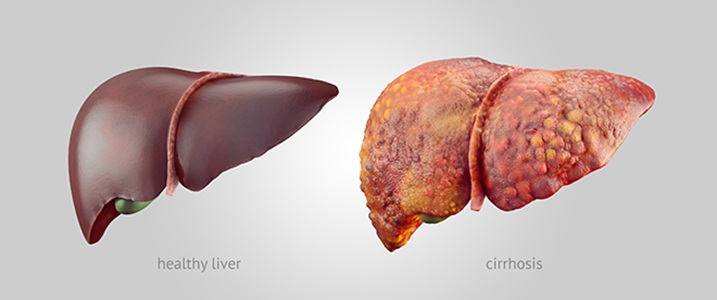
1. Nearly One in Three Indian Adults Genuinely Has Fatty Liver Disease
This statistic genuinely deserves serious attention. MASLD, or Metabolic Dysfunction-Associated Steatotic Liver Disease, affects nearly 1 in 3 Indian adults overall, and close to 2 in 5 specifically in urban areas, a rate genuinely higher than the global average. A major Lancet study screening nearly 8,000 adults across 27 Indian cities genuinely found 39% met the criteria for this condition, confirming fatty liver has genuinely become one of India’s most widespread, yet under-recognised, health challenges.
2. The Medical Term for “Fatty Liver” Genuinely Changed in 2023
This deserves clarification since many people still know this condition by its older name. Previously called NAFLD, Non-Alcoholic Fatty Liver Disease, leading hepatology bodies genuinely renamed it MASLD in 2023, reflecting deeper understanding that this condition isn’t merely about fat accumulation, it’s genuinely driven by underlying metabolic dysfunction, primarily obesity, Type 2 diabetes, high blood pressure, and high cholesterol working together.
3. Your Liver Genuinely Masks Its Own Disease Progression Through Remarkable Resilience
This is genuinely one of the most important, double-edged facts about liver health. The liver is genuinely one of the most resilient organs in the body, it regenerates, it compensates, and it keeps functioning long after disease has taken hold, masking warning signs until intervention becomes genuinely complex. This means your liver’s own remarkable ability to keep working despite damage genuinely works against early detection, you can feel completely fine while significant disease progresses silently underneath.
4. Liver Cancer Genuinely Ranks as India’s Fourth Most Common Cancer Death
This statistic genuinely reflects how seriously untreated liver disease can eventually progress. Liver cancer ranks as the 4th most common cause of cancer-related death in India, often developing after years of undetected fatty liver disease or viral hepatitis progressing silently through stages of inflammation, fibrosis, and eventually cirrhosis before cancer develops.
5. Hepatitis B and C Infections Genuinely Remain Widely Undiagnosed in India
This deserves serious attention given the genuine long-term consequences. Hepatitis B and C infections remain widely undiagnosed, quietly progressing to cirrhosis and cancer over years and decades without the infected person even realising they’re carrying the virus. This genuine diagnostic gap means viral hepatitis continues silently damaging livers across India, making screening genuinely important even without obvious symptoms.
6. Fatty Liver Disease Genuinely Reaches 80% Prevalence in Some Indian States
This regional variation deserves attention for understanding genuine geographic risk patterns. While the national average sits around 39%, some states like Uttarakhand genuinely showed rates climbing as high as 80% in recent screening, suggesting genuine regional dietary, lifestyle, or genetic factors that considerably amplify risk beyond the already-concerning national average.
7. Early-Stage Fatty Liver Disease Is Genuinely Completely Reversible
This is genuinely the most encouraging fact on this entire list. In its early stages, fatty liver disease is completely reversible through diet and lifestyle changes, though left unaddressed, it progresses through inflammation, fibrosis, cirrhosis, and potentially liver cancer. This genuinely means catching this condition early, before it progresses to more advanced stages, offers a genuine opportunity to fully restore liver health rather than merely managing an irreversible condition.
8. Losing Just 10% of Body Weight Genuinely Produces Significant Liver Improvement
This specific, achievable target deserves genuine emphasis for anyone diagnosed with fatty liver. Gradual weight reduction, even by about 10% of body weight, can lead to significant improvement in fatty liver, blood sugar control, and cholesterol levels. This genuinely modest, realistic target matters considerably more than people initially assume, you genuinely don’t need dramatic weight loss to see meaningful liver health improvement.
9. Fatty Liver Disease Genuinely No Longer Only Affects Overweight, Heavy Drinkers
This deserves particular emphasis given how many people genuinely misjudge their own risk. This metabolic disease genuinely affects urban professionals, thin people, young adults, and people who consider themselves healthy, driven by urbanisation, high-calorie processed foods, sedentary work culture, and rising obesity and diabetes rates rather than solely alcohol consumption or visible weight gain.
10. Genetic Factors Genuinely Increase Liver Disease Risk Even With Ideal Habits
This deserves honest acknowledgement rather than assuming lifestyle alone determines everything. Even individuals with genuinely healthy habits can carry genetic variants that increase their risk of liver conditions like fatty liver disease or cirrhosis, meaning some people face elevated risk regardless of how well they eat or how much they exercise, making regular screening genuinely valuable even for people who consider their lifestyle exemplary.
Frequently Asked Questions
Q1. Can I genuinely have fatty liver disease even if I’m thin and don’t drink alcohol?
Yes, genuinely, this metabolic condition increasingly affects thin, young, and non-drinking individuals, particularly urban professionals with sedentary lifestyles and processed food consumption, meaning appearance and alcohol habits alone don’t reliably indicate your actual liver health status.
Q2. How would I genuinely know if I have fatty liver disease if I feel completely fine?
Fatty liver disease often produces no symptoms whatsoever in its early stages, since the liver’s remarkable regenerative ability masks disease progression, making routine screening through blood tests or ultrasound genuinely important rather than waiting for symptoms to appear.
Q3. Is it genuinely possible to fully reverse fatty liver disease once diagnosed?
Yes, genuinely, in its early stages, fatty liver disease is completely reversible through diet and lifestyle changes, including gradual weight loss of around 10% of body weight, though this reversibility genuinely decreases once the condition progresses to more advanced fibrosis or cirrhosis.
Q4. Should I genuinely get tested for hepatitis B and C even without any symptoms?
Yes, genuinely worth considering, since these infections remain widely undiagnosed in India and can silently progress to cirrhosis and cancer over years, making screening genuinely valuable, particularly if you have any risk factors or simply want to rule out silent, ongoing liver damage.