
Yamuna Vihar Delhi sits in the Shahdara zone of North East Delhi — a mid-density residential locality that has seen its connectivity profile transform significantly over the past few years, culminating in a development that officially landed on March 8, 2026: its own dedicated metro station on the Pink Line. PIN code 110053. The locality borders Vijay Park, Gokul Puri, and Bhajanpura, and has long been known for affordability, family-oriented community character, and access to key North Delhi institutions including Bhim Rao Ambedkar College — a Delhi University campus that pulls an active student population into the locality.
Yamuna Vihar’s connection to the rest of Delhi has been reshaped twice in recent years — first by the construction of the Signature Bridge on Wazirabad Road, which improved cross-Yamuna access meaningfully, and now by the Phase IV Pink Line station that gives the locality direct metro connectivity for the first time.
| Feature | Details |
| Location | North East Delhi (Shahdara Zone) |
| PIN Code | 110053 |
| Metro Station | Yamuna Vihar – Pink Line (opened March 8, 2026) |
| Existing Metro Access | Gokulpuri – Pink Line; Maujpur-Babarpur – Pink Line |
| Railway Stations | Gokulpur Saboli; Delhi Shahdara Junction |
| Key Roads | Yamuna Vihar Main Road, Wazirabad Road, Bhagwan Shree Parashuram Marg |
| Connectivity Upgrade | Signature Bridge on Wazirabad Road |
| Nearest Colleges | Bhim Rao Ambedkar College (Delhi University) |
| Hospitals | Asian Samra Multi Speciality, Panchsheel Hospital, Vasist Hospital |
| Airport Distance | IGI Airport – approx. 28 km |
Yamuna Vihar Connectivity – Pink Line Metro, Roads, and the Signature Bridge
The most significant recent transit development for Yamuna Vihar is factual and confirmed: the Yamuna Vihar metro station on the Pink Line opened on March 8, 2026, as part of the Phase IV extension of the Pink Line completing its ring corridor. This station is on the Majlis Park–Maujpur-Babarpur stretch — part of the corridor that is completing the Pink Line’s circular formation across Delhi. The station sits on an elevated structure, connects directly into the Pink Line’s extensive ring network, and gives Yamuna Vihar residents access to Anand Vihar, Lajpat Nagar, Durgabai Deshmukh South Campus, and Majlis Park without requiring road travel.
Before March 2026, the nearest Pink Line stations were Gokulpuri and Maujpur-Babarpur, both accessible from Yamuna Vihar by auto or bus. Both remain useful — Maujpur-Babarpur connects eastward on the Pink Line, while Gokulpuri serves as the main station for residents near the Yamuna Vihar-Gokul Puri boundary. The new Yamuna Vihar station is the closest and most convenient option for the residential core.
Three road axes shape daily movement in the locality. Yamuna Vihar Main Road connects northward toward Old Delhi and southward toward Maujpur. Wazirabad Road links the locality to the Signature Bridge — a cable-stayed bridge crossing the Yamuna that has significantly reduced the travel time between North Delhi’s trans-Yamuna belt and the western parts of the city. Bhagwan Shree Parashuram Marg runs east-west across the locality connecting to Maujpur Road. Connaught Place is approximately a 30-minute drive, and Delhi University North Campus is similar. DTC buses cover the major routes and provide consistent connectivity from within the colony to metro stations and beyond.
Gokulpur Saboli and Delhi Shahdara Junction Railway Stations serve intercity and suburban rail needs for the locality.
Yamuna Vihar Landmarks and Key Facilities
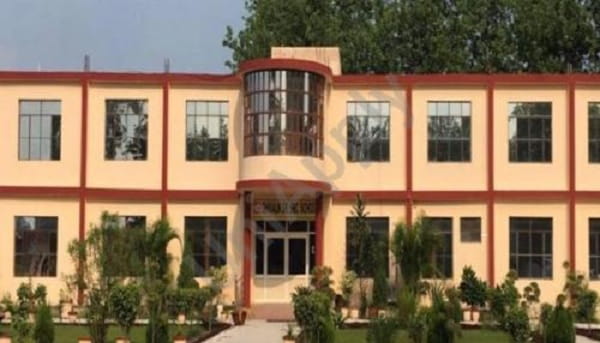
Bhim Rao Ambedkar College — a Delhi University undergraduate college with strong social sciences and commerce programs — is the locality’s most prominent institutional landmark. Its presence generates sustained student rental demand in Yamuna Vihar and gives the locality an educational identity that goes beyond school-level infrastructure.
The Signature Bridge on Wazirabad Road is Yamuna Vihar’s most visible civic landmark and one of Delhi’s most photographed contemporary structures. A cable-stayed bridge with an asymmetric pylon that was inaugurated in 2018 and has become a recognisable part of Delhi’s skyline, it transformed the Wazirabad crossing from a congested bottleneck into a genuinely functional high-capacity route. Its presence elevated property perception in the surrounding area almost immediately — buyers and renters began factoring in the improved cross-Yamuna connectivity when evaluating Yamuna Vihar addresses.
Well-maintained Mahila parks dedicated to women’s recreation add a distinctive civic infrastructure feature to the locality — spaces designed specifically for women’s leisure and fitness that reflect community priorities in this residential area.
Markets serving daily retail needs are distributed across the locality’s blocks. Karawal Nagar and Gandhi Nagar markets are accessible for broader shopping needs, and the East Delhi mall cluster at Kaushambi, Pacific Mall, and Cross River Mall is within 15 to 20 minutes by auto and metro.
Schools, Colleges, and Healthcare in Yamuna Vihar
India International Secondary School and Prakash Punj Vidya Sadan are among the schools serving Yamuna Vihar’s K–12 population. Bhim Rao Ambedkar College, as a constituent college of Delhi University, handles undergraduate and postgraduate education and is arguably the most important educational institution for the locality’s long-term appeal — it keeps the area connected to the Delhi University ecosystem and draws students from across North Delhi.
Healthcare is handled by Asian Samra Multi Speciality Hospital for secondary care needs. Panchsheel Hospital and Vasist Hospital serve routine clinical requirements within the locality. White House Hospital and the broader network of nursing homes and diagnostic centres throughout the Shahdara zone ensure that day-to-day healthcare is accessible without long travel.
Yamuna Vihar Real Estate – Property Rates and Connectivity Premium
Yamuna Vihar’s property market was rated 4.4 out of 5 for connectivity in resident assessments — an unusually high connectivity score for a North East Delhi locality that reflects the cumulative impact of the Signature Bridge, the Pink Line network, and the upcoming direct metro station. Residents also rate it 4.1 out of 5 for safety, confirming the locality’s family-friendly character.
Housing stock is a mix of builder floors, independent houses, and DDA flats across different blocks. The locality carries approximately 40+ properties listed for sale and 10+ for rent at any given time — a smaller active transaction market than East Delhi’s larger colonies, which reflects both the locality’s primarily owner-occupied character and its relatively stable long-term resident base.
The March 2026 metro station opening is expected to produce measurable appreciation in property values over the 12 to 18 months following opening — consistent with historical patterns at other newly served Delhi stations where absorption, rents, and resale liquidity improve in the aftermath of new metro access. Buyers considering Yamuna Vihar at current valuations are effectively entering at the pre-appreciation point of a station-opening cycle, which historically has rewarded patient investors.
Yamuna Vihar Environment – Yamuna Frontage, Parks, and Air Quality
The Yamuna River — running along the locality’s western-to-southern proximity — creates a natural environmental boundary that limits construction pressure on the riverfront side and contributes a degree of open spatial character. The Signature Bridge’s illuminated structure provides visual quality to the riverside skyline that the locality benefits from aesthetically.
Parks and green spaces are maintained across the locality. The dedicated Mahila parks are among the better-kept green assets in the area. Traffic congestion during peak hours — particularly at Yamuna Vihar Main Road intersections and near the metro station area — is a known friction, especially post-2026 when increased passenger movement around the new station is expected to draw more footfall and commercial activity to the station catchment.
Air quality in Yamuna Vihar follows the North East Delhi seasonal pattern — deteriorating during winter inversion months, better through the monsoon and post-monsoon period. The locality does not carry the industrial pollution load of Ghazipur or Patparganj, but road vehicle and seasonal biomass burning from adjacent areas during October–November affects the zone along with the rest of Delhi.
FAQs About Yamuna Vihar Delhi
Q: Does Yamuna Vihar now have its own metro station?
A: Yes. The Yamuna Vihar metro station on the Pink Line opened on March 8, 2026, as part of Delhi Metro Phase IV’s ring corridor completion. The station is an elevated structure on the Majlis Park–Maujpur-Babarpur stretch of the Pink Line.
Q: What is the Signature Bridge near Yamuna Vihar?
A: The Signature Bridge is a cable-stayed Yamuna crossing on Wazirabad Road, inaugurated in 2018. It significantly improved cross-Yamuna connectivity for North East Delhi’s trans-Yamuna residential belt including Yamuna Vihar, reducing travel time to North and Central Delhi. It has also become one of Delhi’s most recognisable contemporary architectural landmarks.
Q: What is Bhim Rao Ambedkar College in Yamuna Vihar?
A: Bhim Rao Ambedkar College is a constituent undergraduate college of Delhi University located in Yamuna Vihar. It offers programs in arts, commerce, and social sciences, and its presence drives consistent student rental demand in the locality.
Q: How far is Connaught Place from Yamuna Vihar?
A: Approximately 30 minutes by road. With the new Pink Line metro station, the connection to central Delhi becomes more predictable and congestion-independent, making Connaught Place and the central Delhi belt more practically accessible than before.
Q: What are the property rates in Yamuna Vihar?
A: The locality does not have a widely published sq ft average given its smaller transaction volume, but property values have been appreciating in line with the North East Delhi belt that has benefited from Pink Line access. The March 2026 metro station opening is expected to further support appreciation as station-area premiums begin to materialise.
 Saurav Mehra