
Picture a country where trains apologise publicly for departing a few seconds early, where deer in a public park have learned to bow for snacks, and where a growing number of young adults organise their entire monthly budget around supporting a favourite idol or anime character. Japan genuinely operates on a rhythm unlike anywhere else, precise, deeply traditional, and yet constantly reinventing itself in ways that regularly surprise even seasoned observers. Understanding these genuine lifestyle patterns reveals something worth knowing beyond typical tourist trivia, a society where harmony, precision, and quiet reinvention coexist in daily life more seamlessly than almost any other culture manages.
Here’s why this genuinely matters beyond simple curiosity: Japan’s lifestyle patterns consistently influence global trends in wellness, aesthetics, and consumer behaviour, and understanding what’s actually happening in everyday Japanese life, rather than outdated stereotypes, gives you a genuinely more accurate picture of one of the world’s most closely observed cultures.
1. Train Punctuality Is Genuinely Measured in Seconds, Not Minutes
This isn’t exaggeration for effect. Japanese rail operators genuinely measure delays in seconds rather than minutes, and there have been documented instances of train companies publicly apologising when a train departed mere seconds ahead of its scheduled time. Bullet trains run to the minute across hundreds of kilometres, and this precision genuinely shapes how Japanese people plan their entire day, tight, efficient itineraries built around a transit system reliable enough to set your watch by.
2. “Oshikatsu” Has Genuinely Become a Trillion-Yen Lifestyle
This term describes the practice of intensely supporting a favourite idol, anime character, or virtual streamer, and it’s genuinely evolved from a niche hobby into mainstream, openly discussed lifestyle spending. Fans organise their schedules, budgets, and travel specifically around their chosen “oshi,” and this devotion has become genuinely legitimate enough to appear on dating profiles and workplace conversations rather than being dismissed as childish, reflecting how traditional identity markers feel increasingly unstable for younger Japanese, making this structured fandom a genuine source of community and purpose.
3. Eating While Walking Is Genuinely Considered Slightly Impolite
In much of Japan, walking down the street while eating carries a mild social stigma, tied partly to keeping public spaces clean and partly to a broader cultural norm against doing two things carelessly at once. The genuine convention is to eat your food at or beside the stall where you bought it, then move on, a habit worth knowing if you’re navigating bustling street food markets and want to blend in rather than stand out as someone unfamiliar with local etiquette.
4. Nara’s Wild Deer Have Genuinely Learned to Bow for Food
In Nara Park, more than a thousand wild deer roam freely, and many have genuinely learned to bow their heads toward visitors specifically in exchange for special crackers sold nearby. It looks like remarkably refined animal manners, but it’s genuinely a trained transaction for food, and these same deer can become surprisingly pushy once they realise you’re holding crackers, a charming but genuinely practical detail worth knowing before visiting.
5. “Wa,” or Harmony, Genuinely Shapes Nearly Every Social Interaction
This foundational cultural principle genuinely influences everything from business meetings to family dynamics, prioritising group cohesion and avoiding open conflict over individual assertion. This isn’t merely a philosophical abstraction, it genuinely shows up in everyday behaviour, how disagreements get handled diplomatically, how workplace hierarchies operate smoothly, and how public spaces remain remarkably orderly even in Japan’s most densely populated cities.
6. Japan Is Genuinely Shifting Toward Slower, More Intentional Living
Heading into 2026, a genuine cultural shift has emerged across Japanese cafés, restaurants, and travel experiences, moving away from fast-paced consumption toward slower, more deliberate, experience-driven living. Tokyo’s café scene genuinely illustrates this well, neo-retro cafés blending Showa-era nostalgia with modern aesthetics have become genuinely popular, prioritising atmosphere and quality moments over quick service, reflecting a broader move toward feeling experiences deeply rather than simply consuming them quickly.
7. Tokyo Fashion Is Genuinely Moving Toward Quiet Luxury
While Harajuku remains genuinely expressive and colourful, the broader Tokyo fashion trend has shifted toward understated elegance and minimal streetwear, a genuine departure from the maximalist, attention-grabbing styles Japan was once globally known for. This shift genuinely reflects the same intentional, less-is-more philosophy showing up across Japanese lifestyle more broadly, valuing quality and subtlety over visible, loud expressions of status.
8. Noh Theatre Represents One of the World’s Oldest Continuously Performed Art Forms
This masked, deliberately slow classical theatre tradition genuinely dates back more than six centuries, making it among the oldest continuously performed dramatic traditions anywhere in the world. Its deliberate pace and stylised conventions can genuinely baffle first-time viewers, but this art form represents the deep root from which much of Japan’s broader performing arts genuinely grew, connecting modern Japanese culture to a living tradition older than almost anything in Western theatrical history.
9. Ancient Festivals and Modern Technology Genuinely Coexist Seamlessly
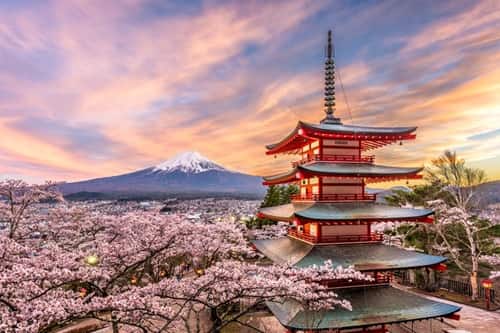
Seasonal festivals called matsuri, blending traditional Shinto ceremonies with modern entertainment, genuinely draw millions of participants annually, and this fusion extends into everyday behaviour too, people genuinely observe centuries-old customs like hanami, cherry blossom viewing, while using smartphone apps to track the exact best viewing times for peak bloom. This blend genuinely captures Japan’s broader cultural duality, ancient customs and cutting-edge technology complementing rather than competing with each other.
10. Domestic Music and Culture Are Genuinely Reasserting Themselves Over Foreign Trends
After years of significant Korean pop culture influence among younger Japanese audiences, recent surveys genuinely show young listeners increasingly favouring domestic bands and artists, with pop-rock acts gaining considerable dominance over previously popular international competition. Whether this genuinely signals a broader cultural shift or simply stronger domestic content remains to be seen, but it reflects Japan’s ongoing pattern of cultural self-reflection, periodically reasserting homegrown identity even amid heavy global cultural exchange.
Frequently Asked Questions
Q1. Is Japanese train punctuality genuinely as extreme as people claim, or is this exaggerated for tourists?
It’s genuinely not exaggerated, delays are measured in seconds rather than minutes on major lines, and there have been documented cases of operators publicly apologising for trains departing even slightly ahead of schedule, making Japan’s rail precision genuinely remarkable compared to almost any other country’s transit system.
Q2. What exactly is “oshikatsu,” and why has it genuinely become such a significant part of Japanese youth culture?
Oshikatsu describes intensely supporting a favourite idol, anime character, or virtual streamer through dedicated spending, time, and community involvement, and it’s genuinely grown into legitimate, openly discussed lifestyle behaviour precisely because it offers structure and belonging in a society where traditional identity markers feel increasingly unstable for younger generations.
Q3. Why do many Japanese people avoid eating while walking on the street?
This genuinely reflects a cultural norm valuing cleanliness in public spaces and a general preference against doing two things carelessly at once, meaning the convention is to eat near the food stall you purchased from rather than continuing to walk while eating.
Q4. Is Japan’s shift toward “slow living” genuinely changing how tourists should plan their visit?
Yes, genuinely, this shift favours quality, immersive experiences over rushing between as many sights as possible, meaning travellers wanting an authentic feel for current Japanese lifestyle trends should genuinely consider prioritising fewer, deeper experiences, like a properly savoured café visit or a slow countryside stay, rather than a purely checklist-driven itinerary.