
Picture a young professional in Lahore checking cricket scores, following a religious scholar’s sermon online, and evaluating a marriage proposal, all through the same smartphone app within a single afternoon. This exact blend genuinely captures something important about Pakistani lifestyle that outsiders often miss, tradition and modernity here don’t sit in separate boxes, they’re woven together into the same daily routine, often within the very same conversation or scrolling session.
Here’s why understanding these genuine patterns matters, whether you’re simply curious about a neighbouring culture or trying to move past oversimplified assumptions, Pakistani lifestyle offers a genuinely rich example of how deep religious and family tradition coexists comfortably alongside rapid digital adoption and generational change, rather than one side inevitably winning out over the other.
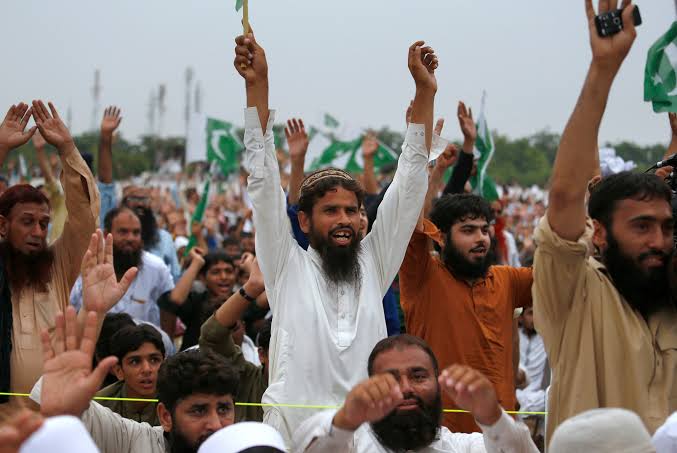
1. The Shalwar Kameez Genuinely Remains the National Dress Across Every Province
This iconic outfit, a long tunic paired with loose-fitting trousers and typically accompanied by a matching dupatta, genuinely serves as Pakistan’s most recognisable traditional attire, worn by both men and women across all regions. Its enduring popularity genuinely comes down to practical versatility, comfortable enough for daily wear yet adaptable enough to incorporate contemporary fashion trends, meaning it remains genuinely central to formal occasions like weddings and religious events even as Western clothing gains popularity among younger, urban Pakistanis.
2. Hospitality Is Genuinely Treated as a Core Cultural Obligation
Guests in Pakistani homes are genuinely welcomed with warmth regardless of whether their visit was planned or entirely unexpected, offering food, tea, and sweets to visitors reflects a deeply held cultural value around generosity rather than mere social politeness. This hospitality genuinely extends across both rural and urban settings, and going out of one’s way to make a guest comfortable is treated as a genuine reflection of a household’s character rather than an optional courtesy.
3. Joint Family Living Genuinely Remains Common, Especially in Rural Areas
Multiple generations sharing a single household continues as a genuine, widely practised family structure, particularly outside major cities. While urbanisation has genuinely pushed more nuclear family arrangements in cities like Karachi and Islamabad, bonds with extended relatives typically remain strong regardless of living arrangement, family gatherings, celebrations, and communal meals genuinely function as essential threads holding Pakistani social life together across generations.
4. Urdu-English Blending, Called “Urglish,” Genuinely Shapes Everyday Speech
Pakistan’s young population genuinely drives distinctive linguistic patterns in daily conversation, blending Urdu and English so naturally that this hybrid speech style has earned its own informal name. This genuinely shows up beyond just casual talk too, it shapes social media captions, advertising, and even how younger Pakistanis text each other, reflecting a broader pattern where global influence gets genuinely absorbed and reshaped into something distinctly local rather than simply replacing existing language habits.
5. Social Media Genuinely Shapes Even Deeply Traditional Decisions Like Marriage
This is a genuinely fascinating modern twist on traditional practice. Digital platforms are increasingly used not just for entertainment but for genuinely practical, consequential decisions, discovering clothing brands, finding food spots, following religious scholars, and even evaluating marriage proposals happen through the same smartphone apps young Pakistanis use for everything else. This reflects how thoroughly digital tools have integrated into daily life without necessarily displacing the underlying traditional values these decisions still revolve around.
6. Eid Celebrations Genuinely Bring Entire Communities Together
Eid-ul-Fitr and Eid-ul-Adha are celebrated with genuine enthusiasm across Pakistan, showcasing communal harmony and generosity through shared meals, new clothing, and visits between extended family and neighbours. These festivals genuinely function as some of the most significant social occasions in the Pakistani calendar, reinforcing community bonds in ways that extend well beyond the purely religious dimension of the celebrations themselves.
7. Qawwali and Ghazal Music Genuinely Carry Deep Cultural Significance
Pakistan’s musical heritage genuinely spans distinctive traditional genres, Qawwali’s devotional, rhythmic intensity and Ghazal’s poetic, melodic expression both remain genuinely significant cultural touchstones, often performed using traditional instruments like the sitar and tabla. This musical tradition genuinely coexists with contemporary Pakistani pop and fusion music that younger audiences increasingly gravitate toward, showing how traditional art forms continue holding cultural weight alongside newer, more globally-influenced genres.
8. Regional Cuisine Genuinely Varies Dramatically Across the Country
Pakistani food reflects genuinely significant regional variation, southern regions tend toward more intensely spiced, exotic flavour profiles, while northern areas often favour simpler, barbecued meat preparations as the centrepiece of a meal. Signature dishes like biryani, nihari, and karahi showcase this rich culinary diversity, and the near-universal use of yogurt-based meat marinades alongside a genuinely extensive spice palette, chili, turmeric, cumin, cardamom, saffron, reflects centuries of culinary tradition passed down through generations.
9. Roughly 38% of Pakistan’s Population Now Lives in Urban Areas
This steady urbanisation genuinely shapes contemporary Pakistani lifestyle considerably, cities like Karachi, Lahore, and Islamabad have become modern, bustling centres home to multinational companies, shopping malls, and a genuinely growing middle class. Yet even urban households often genuinely maintain strong connections back to ancestral villages, grandparents, family land, and wedding networks keeping city dwellers meaningfully tied to rural roots rather than fully severing that connection.
10. Women’s Workforce Participation and Mobility Genuinely Vary Considerably by Region and Class
This is worth understanding honestly rather than oversimplifying. In many urban, middle-class settings, women genuinely study, work, and navigate public life with considerable confidence and independence, while in other regions and communities, mobility and public participation remain genuinely more restricted. Modern flexible work options, home-based businesses, e-commerce, online teaching, and content creation, are genuinely expanding opportunities specifically for women who either prefer or require this kind of adaptable working arrangement, reflecting how digital tools are creating new pathways within existing social structures.
Frequently Asked Questions
Q1. Is the shalwar kameez genuinely still worn daily, or is it reserved mainly for special occasions now?
It’s genuinely worn daily across most of Pakistan, remaining the standard, comfortable everyday outfit for both men and women, while more elaborate, embroidered versions specifically get reserved for weddings and formal religious occasions.
Q2. How significant is joint family living genuinely still in modern, urban Pakistani households?
While nuclear family arrangements have genuinely increased in major cities due to urbanisation, extended family bonds typically remain strong regardless of living arrangement, and joint family living continues as a genuinely common structure, particularly in rural areas and among many urban households.
Q3. Does social media genuinely play a role in something as traditional as arranging a marriage in Pakistan?
Yes, genuinely, digital platforms are increasingly used for exactly this purpose alongside more traditional matchmaking approaches, reflecting how thoroughly smartphones and social media have integrated into practical daily decision-making beyond just entertainment or casual browsing.
Q4. Why does Pakistani cuisine genuinely taste so different between the northern and southern regions?
This reflects genuine regional culinary traditions shaped by local ingredients, climate, and historical influences, southern regions favour more intensely spiced, exotic flavour profiles, while northern areas often centre meals around simpler, barbecued meat preparations, creating genuinely distinct culinary identities within the same country.