
Fresh fruits are packed with vitamins, minerals, antioxidants, and natural sweetness, making them an important part of a healthy diet. However, once fruits like apples, bananas, pears, avocados, and peaches are cut, they often begin to turn brown within minutes. This discoloration may make the fruit look less appealing, even though it is often still safe to eat. Whether you’re preparing fruit salads, lunch boxes, party platters, or meal-prep containers, learning how to prevent fruits from browning can help keep them looking fresh and delicious for longer.
Fruit browning is a natural process, but it can be slowed down using a few simple kitchen techniques. In this guide, you’ll learn why fruits turn brown, which fruits are most affected, and the best methods to preserve their fresh appearance and flavor.
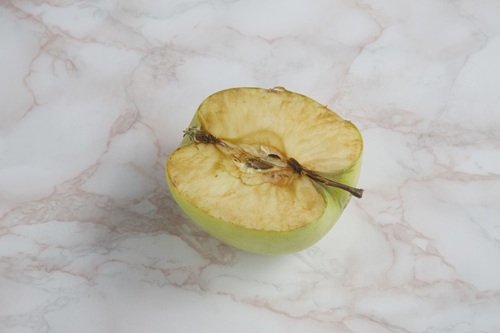
Why Do Fruits Turn Brown?
When certain fruits are cut or bruised, their cells are damaged, exposing an enzyme called polyphenol oxidase (PPO) to oxygen in the air. This reaction causes oxidation, which leads to the brown color on the fruit’s surface.
Although browning does not usually make the fruit unsafe to eat, it can affect its appearance, texture, and sometimes its flavor.
Fruits That Brown Quickly
Some fruits are more prone to browning than others, including:
- Apples
- Bananas
- Pears
- Avocados
- Peaches
- Nectarines
- Apricots
Fruits such as oranges, grapes, pineapples, berries, and watermelon generally do not brown as quickly after cutting.
Method 1: Use Lemon Juice
Lemon juice is one of the most effective natural ways to prevent browning.
The citric acid and vitamin C (ascorbic acid) slow down the oxidation process.
How to Use It
- Squeeze fresh lemon juice over cut fruit.
- Toss the fruit gently to coat all surfaces.
- Use only a small amount to avoid making the fruit too sour.
This method works especially well for apples, pears, bananas, and avocados.
Method 2: Try Lime or Orange Juice
If you don’t have lemons, lime or orange juice can also help reduce browning.
These citrus juices contain natural acids and antioxidants that slow oxidation while adding a pleasant flavor.
Orange juice is particularly useful for fruit salads because its mild sweetness complements many fruits.
Method 3: Soak in Salt Water
A brief soak in a mild saltwater solution can significantly reduce browning.
Instructions
- Mix half a teaspoon of salt into one cup of water.
- Soak sliced fruit for about 3–5 minutes.
- Rinse lightly with clean water before serving.
When used correctly, the fruit should not taste salty.
Method 4: Use Honey Water
Honey contains natural compounds that help slow oxidation.
How to Prepare
Mix one tablespoon of honey into two cups of water and soak the fruit for a few minutes.
This method works well for apples, pears, and peaches while adding a subtle sweetness.
Method 5: Store in an Airtight Container
Reducing exposure to air helps prevent oxidation.
After preparing fruit:
- Place it in an airtight container.
- Remove as much excess air as possible.
- Refrigerate immediately.
Some storage containers are designed with airtight seals that help maintain freshness for longer.
Method 6: Cover with Plastic Wrap
If you’re storing cut fruit in a bowl, press plastic wrap directly onto the fruit’s surface.
This reduces contact with oxygen and slows browning.
This technique is particularly effective for avocado halves.
Method 7: Refrigerate Promptly
Cold temperatures slow the chemical reactions responsible for browning.
Store prepared fruit in the refrigerator at or below 4°C (40°F).
Avoid leaving cut fruit at room temperature for long periods.
Method 8: Use Fruit Freshness Powders
Commercial anti-browning powders containing vitamin C and citric acid are available in many grocery stores.
These products are especially useful when preparing large fruit platters or preserving fruit for several hours.
Always follow the instructions on the package.
Method 9: Cut Fruit Just Before Serving
Whenever possible, cut fruits shortly before eating or serving them.
The less time fruit is exposed to air, the fresher it will look.
This is one of the simplest ways to maintain color and texture.
Tips for Keeping Fruit Fresh Longer
- Wash fruits just before using them.
- Use a clean, sharp knife to minimize bruising.
- Refrigerate cut fruit promptly.
- Keep fruit away from direct sunlight.
- Store different fruits separately when appropriate.
- Handle delicate fruits gently to avoid damage.
Common Mistakes to Avoid
1. Leaving Fruit Uncovered
Exposed fruit comes into contact with oxygen more quickly, leading to faster browning.
2. Using Too Much Lemon Juice
While lemon juice prevents browning, excessive amounts may overpower the fruit’s natural flavor.
3. Storing Fruit at Room Temperature
Warm temperatures speed up oxidation and spoilage.
4. Cutting Fruit Too Early
Preparing fruit many hours before serving increases the chance of browning, even with protective methods.
5. Using Damaged Fruit
Bruised or overripe fruit browns more rapidly than fresh, firm fruit.
Benefits of Preventing Fruit Browning
Keeping fruits fresh-looking offers several advantages. Attractive fruit is more appealing to eat, especially for children, encouraging healthier snacking habits. Preventing browning also reduces food waste by extending the usable life of cut fruit. Fresh-looking fruit is ideal for lunch boxes, fruit salads, party platters, smoothies, and meal preparation. Additionally, slowing oxidation helps preserve the fruit’s texture and some of its nutritional value.
Conclusion
Preventing fruits from turning brown is simple once you understand the causes of oxidation. Using natural ingredients like lemon juice, lime juice, honey water, or saltwater, along with proper refrigeration and airtight storage, can help keep cut fruit fresh, colorful, and appetizing for longer. Whether you’re preparing fruit for school lunches, family gatherings, or weekly meal prep, these easy techniques will help preserve both the appearance and quality of your favorite fruits while reducing waste and making healthy eating more enjoyable.
Frequently Asked Questions (FAQs)
Q: Is brown fruit safe to eat?
A: Yes. In most cases, browned fruit is safe to eat if it has been stored properly and shows no signs of spoilage such as mold, an unpleasant smell, or a slimy texture.
Q: Which fruits brown the fastest?
A: Apples, bananas, pears, avocados, peaches, and nectarines are among the fruits that brown most quickly after being cut.
Q: Does refrigeration stop browning completely?
A: No. Refrigeration slows the oxidation process but does not stop it entirely. Combining refrigeration with methods like lemon juice or airtight storage provides better results.
Q: Can I use vinegar instead of lemon juice?
A: A small amount of diluted vinegar can slow browning, but it may alter the fruit’s flavor. Lemon or lime juice is generally a better choice because of its pleasant taste and natural acidity.