
Rail Vihar Rohini Delhi is a residential colony embedded within the Rohini Sector 24 zone of Northwest Delhi — one of the numerous named sub-localities that together constitute Rohini, the DDA’s first planned sub-city project started in the 1980s. PIN code 110085. Rail Vihar sits within a sector that has been consistently described as a “sweet spot” in Delhi’s residential market — affordable enough for middle-class buyers, established enough for steady appreciation and rental income, and well-connected enough to serve daily commuting needs across the city.
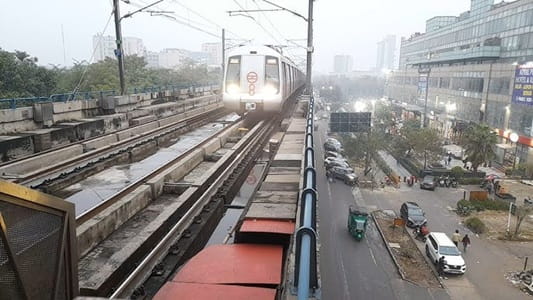
The colony takes its name and character from its railroad adjacency history — Rohini’s development was partly shaped by railway infrastructure zones, and the “Rail Vihar” naming reflects the broader practice in Rohini of naming residential pockets after their institutional or geographic character. Mangolpuri Railway Station and Nangloi Railway Station are both accessible from the zone, and Rithala Metro Station on the Red Line connects the locality into the Delhi Metro network.
Quick Overview
| Feature | Details |
| Location | Sector 24, Rohini, Northwest Delhi |
| PIN Code | 110085 |
| Nearest Metro Station | Rithala – Red Line (approx. 3 min drive / accessible) |
| Additional Metro | Rohini West – Red Line |
| Nearest Railway Stations | Mangolpuri – approx. 6 km; Nangloi – approx. 6 km |
| Key Road | Outer Ring Road, Main Rohtak Road, Rithala Road |
| Airport Distance | IGI Airport – approx. 21 km |
| Avg. Sector Rate (Sector 24) | ₹10,900 per sq ft |
| Monthly Rental Range | ₹6,400 – ₹27,300 (Sector 24) |
| Key Landmarks | Rithala Red Line terminal, Rajiv Gandhi Cancer Institute (nearby) |
Rail Vihar Rohini Connectivity – Red Line Metro, Roads, and Rail
Rithala metro station on the Red Line is the primary transit anchor for Rail Vihar and the broader Sector 24 Rohini zone. The station sits approximately a 3-minute drive or a short walkable distance from the residential colony — the Sector 24 zone consistently references Rithala as its metro gateway. Rithala is the western terminal of the Red Line, meaning every train originating here travels the full line eastward through Rohini East, Rohini West, Pitampura, Netaji Subhash Place, Kashmere Gate, and onward toward Shaheed Sthal in Ghaziabad. This end-to-end Red Line coverage gives Rail Vihar residents access to civil lines, Old Delhi, and the Red-Yellow interchange at Kashmere Gate for Central Delhi access.
Rohini West metro station provides an additional Red Line point for residents in the sub-colony’s western blocks. The Yellow Line’s Rohini Sector 18-19 station — inaugurated November 2015 — is within the broader sector belt and has significantly expanded northwest Delhi’s connectivity by adding a Yellow Line option that reaches Connaught Place, AIIMS, and the Gurugram corridor directly.
Outer Ring Road provides road connectivity northward toward Rohini’s outer belt and southward toward Pitampura and the Ring Road junction. Main Rohtak Road connects westward toward Bahadurgarh and Haryana. The sector is approximately 15 km from central Delhi by road and about 25 km from IGI Airport. DTC buses and cluster services operate regularly through the main roads, and app-based cabs maintain good availability during business hours given the Red Line metro station’s commercial activity.
Mangolpuri and Badli Railway Stations are the closest suburban rail options. Shakur Basti Railway Station, approximately 9.6 km away, provides intercity connectivity to trains running across India.
Rail Vihar Rohini Landmarks and Key Facilities
Rajiv Gandhi Cancer Institute and Research Centre in Rohini — one of India’s best-known dedicated oncology hospitals — sits within the broader sector belt accessible from Rail Vihar. Its presence is a significant healthcare asset for the entire northwest Delhi residential zone and particularly meaningful for families with elderly members.
Adventure Island, Rohini’s well-known amusement park, is within the sector’s accessible radius, providing weekend family entertainment within the residential belt itself rather than requiring a journey to Central Delhi.
City Centre Mall, Metro Walk Mall, and Unity One Mall collectively cover retail, multiplex entertainment, and F&B needs within the Rohini zone — all within practical reach for Rail Vihar residents by auto, DTC bus, or the Red Line. The sector’s DDA Market handles daily grocery and household needs at the ground level.
Shri Balaji Babosa Mandir is a prominent religious landmark in the sector zone, serving as a community gathering point and daily devotion site for residents. Asha Kiran Mental Hospital, a government facility specialising in psychiatric care, is referenced as a healthcare facility in the Sector 24 catchment.
Schools, Colleges, and Healthcare in Rail Vihar Rohini
The school infrastructure across Rohini Sector 24 and the Rail Vihar pocket includes Mount Abu Junior Branch School and several MCD schools serving the locality’s school-going population. The broader Rohini belt provides access to higher-quality schools within metro or auto distance — Ryan International School, Happy Home Public School, and Titiksha Public School are accessible from the Rohini corridor.
ESIC Hospital, Saroj Super Speciality Hospital, and Santom Hospital are within 5 km for specialised care. Brahm Shakti Hospital and Devansh Hospital serve routine and secondary care more immediately. The locality rates 4.2 out of 5 for education and healthcare in resident assessments for the broader sector.
Keshav Mahavidyalaya, a Delhi University college, serves the North Delhi undergraduate population and is within accessible distance from the Rohini zone.
Rail Vihar Rohini Real Estate – Property Rates and Market
Sector 24 Rohini, within which Rail Vihar sits, carries an apartment average of approximately ₹10,900 per sq ft with a 2.3% year-on-year appreciation — steady rather than aggressive, consistent with an established, built-out residential sector rather than a developing one. Monthly rentals across Sector 24 Rohini run from ₹6,400 to ₹27,300 depending on unit size and building quality.
The housing stock within Rail Vihar and surrounding pockets in Sector 24 includes DDA flats, independent builder floors, and private apartment buildings. The mix gives buyers options at different price points — DDA flats in the resale market at lower entry prices, builder floors in renovated constructions at the upper end.
Rohini as a whole was DDA’s first sub-city project and carries the quality of planned road layouts, green space allocation, and sector-level market infrastructure that later Rohini phases maintain. Rail Vihar, sitting within this framework, benefits from the Rohini planning inheritance — wider roads than typical organic-growth colonies, defined pocket boundaries, and maintained parks.
Rail Vihar Rohini Environment – Green Spaces, Air Quality, and Residential Character
Rohini Sector 24 is described by residents as quiet and daily-shopping convenient — a characterisation consistent across multiple independent assessments. The sector’s planned layout includes pocket parks that serve morning walkers and children. The Japanese Park, accessible from the broader Rohini belt, is within practical reach for families seeking a larger green outing.
Air quality in the Rail Vihar zone tracks the Northwest Delhi seasonal pattern — better than industrial corridors, affected during winter inversions and agricultural burning months. Outer Ring Road traffic is the primary vehicular pollution source for the locality’s main-road-facing properties. Interior pocket lanes carry significantly less traffic and better air quality during most of the year.
The DDA park infrastructure within Sector 24 is maintained — cleaned regularly, used actively in the mornings and evenings. Potholes in some internal blocks have been flagged by residents as a maintenance gap. Narrow lanes in certain older pockets create minor congestion during peak hours when parked vehicles reduce effective road width. These are characteristic rather than exceptional friction points for a Rohini sector of this vintage.
The locality’s overall livability is bolstered by the consistent Red Line metro access at Rithala, the established market infrastructure within the sector, and the residential stability of a community where many families have lived for decades — a social continuity that contributes to the neighbourhood quality in ways that real estate metrics do not fully capture.
5 FAQs About Rail Vihar Rohini Delhi
Q1. Which metro line serves Rail Vihar Rohini?
Rithala metro station on the Red Line is the primary access point, approximately a 3-minute drive from the Sector 24 zone. Rohini West on the same line is an additional option. The Yellow Line’s Rohini Sector 18-19 station adds connectivity toward Connaught Place and Gurugram for residents willing to travel slightly further to the station.
Q2. What are the property rates in the Rail Vihar Rohini zone?
Sector 24 Rohini apartments average approximately ₹10,900 per sq ft with 2.3% annual appreciation. Monthly rents range from ₹6,400 for smaller units to ₹27,300 for larger configurations. The market is stable and owner-occupied in character, with consistent but not aggressive appreciation.
Q3. Which hospitals are accessible from Rail Vihar Rohini?
Rajiv Gandhi Cancer Institute and Research Centre is accessible within the broader Rohini zone for specialised care. Brahm Shakti Hospital and Devansh Hospital handle secondary care locally. ESIC Hospital and Saroj Super Speciality Hospital are within 5 km for tertiary requirements.
Q4. Is Rail Vihar Rohini suitable for families?
Yes. The planned sector layout, DDA park infrastructure, local market access, Red Line metro connectivity, and proximity to Adventure Island and City Centre Mall create a functional family-friendly environment. Residents rate the sector 4.2 out of 5 for education and healthcare.
Q5. How far is IGI Airport from Rail Vihar Rohini?
Approximately 21 km. The most practical route is by car via Outer Ring Road or by metro via the Red Line to Kashmere Gate, connecting to the Yellow Line and then the Airport Express — a journey of approximately 60 to 75 minutes including interchanges.
 Saurav Mehra