
Shubham Enclave Paschim Vihar Delhi is a sub-locality within the Paschim Vihar planned colony in West Delhi — a residential pocket that carries the PIN code 110063 and the full benefit of Paschim Vihar’s infrastructure while maintaining a quieter, more residential character than the colony’s busier commercial and sector-market-facing zones. Multiple property and locality databases list Shubham Enclave as one of Paschim Vihar’s immediate neighbours alongside Sunder Vihar and Pushkar Enclave, confirming its position within the outer boundary of the planned colony rather than its commercial core.
The locality is described as well-developed with wide roads, peaceful environment, strong community living, and good access to essential amenities — schools, hospitals, supermarkets, and parks — all within short distance. It inherits Paschim Vihar’s two Green Line metro stations, the Radisson Blu hotel, Japanese Park, Sri Balaji Action Medical Institute, and the nine schools within 1.05 km that make the broader Paschim Vihar zone West Delhi’s most comprehensively serviced residential address.
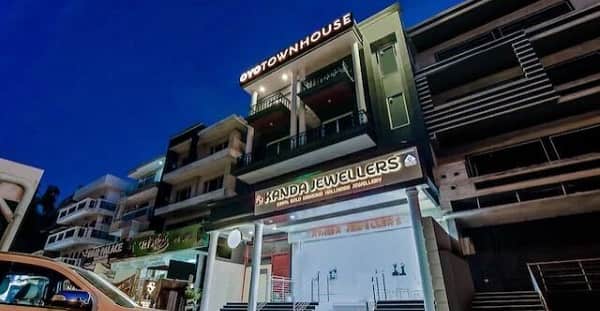
Shubham Enclave Paschim Vihar Quick Overview
| Feature | Details |
| Location | Outer boundary of Paschim Vihar planned colony, West Delhi |
| PIN Code | 110063 |
| Nearest Metro | Paschim Vihar West – Green Line; Peeragarhi – Green Line |
| Additional Metro | Paschim Vihar East – Green Line; Madipur – Green Line |
| Railway Stations | Mangolpuri Railway Station; Shakurbasti Railway Station |
| Key Roads | Outer Ring Road; Rohtak Road (NH-9); internal Paschim Vihar sector roads |
| Airport Distance | IGI Airport – approx. 19–21 km via NH-48 |
| Housing Type | Mix of independent houses and flats |
| Key Hospital | Sri Balaji Action Medical Institute (~within Paschim Vihar belt); Maharaja Agrasen Hospital |
| Key Schools | DAV Public School (~accessible within zone); GD Goenka; Bosco Public School |
| Nearest Hotel | Radisson Blu New Delhi Paschim Vihar (on Paschim Vihar boundary) |
| Key Leisure | Japanese Park (~4 km); Adventure Island (~5 km) |
| Key Mall | Pacific Mall; DT City Centre; Metro Walk Mall (~within 5–7 km) |
Shubham Enclave Paschim Vihar Connectivity – Green Line Metro, Outer Ring Road, and Roads
Paschim Vihar West metro station on the Green Line is the primary metro access for Shubham Enclave, with Peeragarhi as the alternative Green Line option toward the south. Both are within the Paschim Vihar colony’s accessible zone, reachable by a short walk or a 5-minute auto ride from the enclave’s residential blocks. The Green Line connects eastward through Punjabi Bagh, Inderlok, and Netaji Subhash Place toward Central Delhi, and westward toward Mundka and Bahadurgarh. Paschim Vihar East provides a third Green Line access point from the colony’s eastern boundary. Madipur station further extends the corridor.
A resident of the adjacent Shubham Enclave Reserve sub-locality describes the area as having a “sense of calm and cleanliness rare in the city” — but notes that it has “drawbacks” consistent with fringe Paschim Vihar zones, typically referring to the additional auto distance needed to reach the metro compared to central sector residents.
Outer Ring Road connects the broader Paschim Vihar zone northward toward Rohini and southward toward Peeragarhi and the Ring Road junction. Rohtak Road (NH-9) runs westward toward Bahadurgarh and Haryana. The internal Paschim Vihar sector roads linking Shubham Enclave toward Sunder Vihar, Pushkar Enclave, and the colony’s central market zone are wide and well-maintained — a DDA planned-colony characteristic that the enclave inherits.
Mangolpuri and Shakurbasti railway stations cover suburban rail needs. IGI Airport at 19 to 21 km via NH-48 is a 30 to 45 minute journey by road during non-peak hours.
Shubham Enclave Paschim Vihar Landmarks and Key Facilities
The Paschim Vihar infrastructure ecosystem — accessed by Shubham Enclave residents as their own — includes some of West Delhi’s most notable landmarks. The Radisson Blu New Delhi hotel at the Outer Ring Road boundary of Paschim Vihar is the zone’s premium hospitality landmark, approximately 0.30 km from Sunder Vihar and within short driving distance of Shubham Enclave. Jwala Heri Market serves daily grocery, banking, clothing, pharmacy, and restaurant needs. Paschim Vihar Community Centre within the colony grid hosts community events and sports facilities.
Japanese Park — a 76-acre themed urban green space in the Rohini belt — is accessible within approximately 4 km, serving as the zone’s primary large-scale weekend recreational destination. Adventure Island amusement park extends entertainment options at comparable distance. Pacific Mall, DT City Centre, and Metro Walk Mall are within 5 to 7 km for branded retail and multiplex entertainment.
Sri Balaji Action Medical Institute (Action Balaji Hospital), approximately 1.82 km from the Paschim Vihar core, is the zone’s primary multi-specialty hospital. Maharaja Agrasen Hospital covers secondary care within the locality. Government Hospital Jawalapuri provides subsidised healthcare for the outer zone population.
Schools, Healthcare, and Real Estate in Shubham Enclave
DAV Public School — situated effectively within Paschim Vihar at 0.03 km from the colony’s centre — is accessible from Shubham Enclave within a short commute. GD Goenka Public School, Bosco Public School, and St. Froebel Senior Secondary School complete the school cluster that makes Paschim Vihar’s broader zone one of West Delhi’s most education-infrastructure-dense residential addresses. Nine schools within 1.05 km of the Paschim Vihar centre collectively serve Shubham Enclave’s school-going families.
The property market in Shubham Enclave mirrors the broader Paschim Vihar band. The Paschim Vihar zone averages ₹18,900 per sq ft with 6.2% year-on-year appreciation. Shubham Enclave’s independent houses and flats — the dominant housing stock — trade within the Paschim Vihar outer-boundary range, slightly below the central sector DDA flat premium but well above the Paschim Puri-Nihal Vihar affordable segment. Monthly rentals in the Paschim Vihar zone run ₹14,000 to ₹51,000 for different configurations.
Shubham Enclave Reserve — a related but distinct named project within the enclave — is described as offering a “tree-lined, well-maintained” environment with parks, though it notes limitations consistent with its fringe position in the Paschim Vihar grid.
Environment – Tree-Lined Streets, Planned Colony Inheritance, and Air Quality
Shubham Enclave’s environmental character inherits the planned colony baseline of Paschim Vihar: wide internal roads, sector-level parks, and organised block infrastructure from the DDA development era. The locality is specifically described as having a peaceful environment and clean surroundings — a characterisation consistent with the outer Paschim Vihar zones that avoid the commercial bustle of the Jwala Heri Market and Outer Ring Road without sacrificing the metro and road access the inner zones enjoy.
The “sense of calm and cleanliness” cited by the Shubham Enclave Reserve resident — combined with “tree-lined streets and well-maintained parks” — reflects a genuine environmental quality rooted in the DDA planned colony’s open-space allocation. Parks within the Paschim Vihar sector grid adjacent to Shubham Enclave provide morning walk and children’s outdoor facilities. Japanese Park’s 76-acre campus at 4 km extends the green leisure access for families who make weekend trips.
Air quality tracks the West Delhi Outer Ring Road pattern — manageable in the colony’s interior during non-winter months, affected by Rohtak Road and Outer Ring Road vehicular pollution on boundary-facing properties. October to January brings the standard Delhi winter inversion AQI deterioration. The community’s active maintenance ethos and regular garbage collection — specifically noted as above-average in assessments — contribute to Shubham Enclave’s clean residential character.
FAQs About Shubham Enclave Paschim Vihar Delhi
Q: Which metro stations serve Shubham Enclave?
A: Paschim Vihar West and Peeragarhi on the Green Line are the nearest stations. Paschim Vihar East provides a third Green Line option. The Green Line connects to Punjabi Bagh, Inderlok, Netaji Subhash Place, and Central Delhi eastward, and to Mundka and Bahadurgarh westward.
Q: How does Shubham Enclave relate to the broader Paschim Vihar colony?
A: Shubham Enclave is listed as one of Paschim Vihar’s immediate sub-localities alongside Sunder Vihar and Pushkar Enclave — positioned on the colony’s outer boundary with full access to the planned colony’s infrastructure, school cluster, hospital network, and Green Line metro access.
Q: What are the schools accessible from Shubham Enclave?
A: DAV Public School is at 0.03 km from the Paschim Vihar centre and accessible by short commute. GD Goenka Public School, Bosco Public School, and St. Froebel Senior Secondary School are among the nine schools within 1.05 km of the colony’s core — all accessible for Shubham Enclave’s school-going families.
Q: Which hospital primarily serves Shubham Enclave?
A: Sri Balaji Action Medical Institute in the Paschim Vihar belt at approximately 1.82 km is the zone’s primary multi-specialty hospital. Maharaja Agrasen Hospital covers secondary care. Government Hospital Jawalapuri provides subsidised care for the outer zone.
Q: What is the environmental character of Shubham Enclave?
A: Wide tree-lined roads, maintained parks, peaceful residential character, and clean surroundings — a characterisation that reflects both the DDA planned colony heritage and the community’s active maintenance culture. Air quality is manageable in interior lanes during non-winter months, with winter inversions bringing the standard Delhi October-January AQI deterioration.