
Every Indian kitchen renovation genuinely reaches this exact crossroads, standing in a countertop showroom, running your hand across a genuinely stunning slab of natural granite on one side and a perfectly uniform, engineered quartz surface on the other. Given how heavily Indian cooking relies on hot tadka pans, turmeric-heavy curries, and near-constant daily use, this decision genuinely matters more than it might in kitchens that see lighter, less intense cooking habits.
Here’s why getting this genuinely right matters for your specific kitchen: quartz and granite aren’t simply different-looking versions of the same product, one is entirely natural stone, quarried and cut, while the other is engineered, manufactured from crushed quartz crystals bound with resin. This fundamental difference genuinely explains everything else, how they handle heat, how much maintenance they demand, and which one genuinely suits your specific cooking habits better.
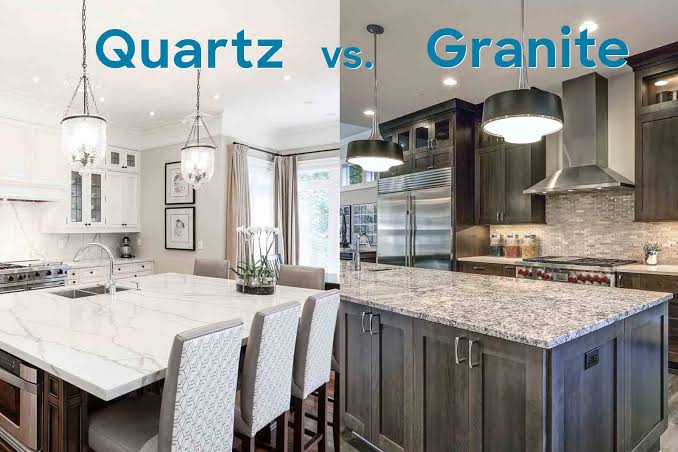
Why Their Fundamental Composition Genuinely Explains Every Difference
This distinction matters before comparing anything else. Granite is 100% natural stone, formed through geological processes over millennia, meaning every single slab carries genuinely unique patterns and veining that no two kitchens will ever perfectly match. Quartz countertops are engineered stone, made from roughly 90 to 95% natural quartz crystals combined with resins, polymers, and pigments, creating a genuinely consistent, uniform appearance manufactured to precise specifications rather than dictated purely by nature.
This manufacturing process genuinely explains why quartz costs more at the entry level despite both materials competing in a similar overall price range, a basic granite slab simply gets quarried and cut, while quartz requires an actual manufacturing process with quality control, adding genuine production cost that basic granite doesn’t carry.
Why Granite Genuinely Wins on Heat Resistance for Serious Indian Cooking
This matters enormously for Indian kitchens specifically, given how much direct heat exposure countertops face daily. Granite genuinely handles heat exceptionally well, being fully natural stone, it tolerates hot pots and pans directly without damage in ways quartz genuinely cannot match. Quartz, containing resin binders, is genuinely more vulnerable to heat damage, manufacturers consistently recommend using heat pads with quartz countertops specifically to prevent scorching or discolouration from hot cookware.
For households doing heavy daily tadka cooking, frequently placing hot vessels straight from the stove onto the counter, this genuine heat vulnerability makes granite the more forgiving, practical choice, unless you’re genuinely committed to using trivets and heat pads consistently with quartz.
Why Quartz Genuinely Wins on Staining and Maintenance
This is where quartz pulls ahead considerably, and it’s genuinely significant for busy Indian kitchens dealing with turmeric, oil, and countless daily spills. Quartz countertops are engineered to be non-porous, resisting stains far more effectively than granite, which, being natural stone, can genuinely absorb liquids if not properly sealed and maintained. Granite specifically needs sealing roughly once a year, sometimes twice for lighter-coloured varieties, and near a cooktop, unsealed granite can genuinely darken where oil sits too long on an exposed patch.
Quartz genuinely avoids this sealing requirement entirely, a simple wipe with soap and water keeps it looking consistent, making it genuinely the lower-maintenance option for households that don’t want to remember an annual resealing schedule or worry about turmeric stains setting into an unsealed patch overnight.
Understanding the Genuine Cost Comparison for Indian Kitchens
Pricing genuinely varies across sources, but the consistent pattern shows granite starting lower, roughly ₹160 to ₹350 per square foot including installation, while quartz typically runs ₹280 to ₹450 per square foot for comparable quality. For a standard 50 square foot kitchen countertop, this genuinely translates into granite installations often landing lower overall, though premium imported granite slabs with dramatic patterns can actually exceed standard quartz pricing, meaning the actual price gap genuinely depends more on the specific slab and pattern you choose than a simple blanket rule favouring one material.
It’s worth factoring in quartz’s genuinely lower ongoing maintenance cost too, since you’re skipping the annual resealing expense granite requires, the total cost of ownership gap between the two materials genuinely narrows somewhat over several years of use.
Why Durability Genuinely Favours Quartz in Daily Chip Resistance
Both materials are genuinely durable for years of everyday kitchen work, but quartz’s engineered consistency genuinely makes it more resistant to chips and cracks in many cases compared to granite’s natural composition. This genuine durability advantage, combined with quartz’s stain resistance, is precisely why quartz has increasingly overtaken granite in consumer preference for new kitchen installations, particularly among homeowners prioritising a smoother, more uniform, low-maintenance surface over natural stone’s distinctive character.
Making the Genuinely Right Choice for Your Cooking Style
If you’re a serious home cook regularly placing hot vessels directly on your counter, genuinely value natural stone’s unique, one-of-a-kind character, and don’t mind an annual resealing routine, granite genuinely suits your kitchen better. If you prioritise minimal maintenance, want a consistent, modern appearance without worrying about staining from daily spills, and are willing to use heat pads consistently, quartz genuinely represents the more forgiving, lower-effort choice for busy Indian households juggling daily cooking demands alongside everything else.
Frequently Asked Questions
Q1. Can I genuinely place hot pots and pans directly on a quartz countertop the way I would with granite?
No, genuinely not recommended, quartz’s resin content makes it more vulnerable to heat damage compared to granite’s natural heat resistance, and manufacturers specifically advise using heat pads or trivets with quartz to prevent scorching or discolouration from direct hot cookware contact.
Q2. How often does granite genuinely need resealing compared to quartz’s maintenance needs?
Granite typically needs resealing once a year, sometimes twice for lighter-coloured varieties, while quartz genuinely avoids sealing entirely throughout its lifetime, requiring only simple soap and water cleaning to maintain its appearance.
Q3. Is quartz genuinely always more expensive than granite for an Indian kitchen renovation?
Not always, while quartz typically starts at a higher entry price point than basic granite, premium imported granite slabs with dramatic patterns can actually exceed standard quartz pricing, meaning your specific slab choice matters more than a blanket assumption about which material costs more.
Q4. Which countertop genuinely suits a household that does heavy daily Indian cooking with lots of oil and turmeric?
This depends on your priorities, granite handles heat from hot pans better but requires diligent, prompt cleaning to prevent turmeric and oil stains from setting into its porous surface, while quartz resists these stains far more effectively but demands more careful heat management to avoid damage from hot cookware.