
Two panels sit side by side in a Delhi interior showroom, one genuinely feels lighter and plasticky to the touch, priced considerably lower, the other has a warmer, almost wood-like texture and costs roughly double. Both are marketed as “waterproof wall panels,” and to a first-time buyer, this genuinely creates a confusing decision, aren’t they basically the same thing with different price tags? Understanding exactly what separates PVC from WPC panels genuinely determines whether you end up with a bathroom wall that lasts five years or one that genuinely holds up for two decades.
Here’s why this decision genuinely matters beyond simple budget considerations: PVC and WPC panels aren’t interchangeable versions of the same product, they’re genuinely built from different materials with meaningfully different performance in wet areas, feature walls, and long-term durability. Knowing which one belongs in which room genuinely saves you from a costly mistake, either overspending on WPC where plain PVC would’ve worked perfectly, or underspending on PVC where WPC’s extra durability genuinely justified the higher price.
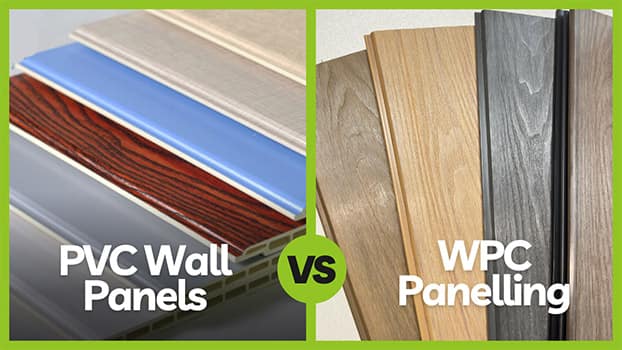
Why Their Core Composition Genuinely Determines Everything Else
This distinction matters enormously and explains every other difference you’ll encounter. PVC panels are made from solid polyvinyl chloride, fully synthetic, completely non-porous, and 100% waterproof throughout their entire structure. WPC panels, standing for wood-plastic composite, genuinely blend wood fibre with plastic, combining the natural warmth of wood with plastic’s moisture resistance, creating a material that’s genuinely waterproof and termite-proof while offering a considerably more natural, wood-like texture and feel.
This composition difference genuinely explains why WPC costs more too, the wood fibre content and more complex manufacturing process makes WPC generally more expensive than pure PVC, a premium you’re paying specifically for that authentic wood aesthetic and the additional structural rigidity the wood fibres provide.
Why PVC Genuinely Wins for Directly Wet Areas
This is where the practical recommendation becomes genuinely clear-cut. PVC panels are light, easy to clean, and the best choice specifically for showers, basins, and other directly wet areas, precisely because their fully synthetic, non-porous structure handles constant water exposure without any risk of degradation. Starting from around ₹99 per square foot, PVC also genuinely represents the more budget-friendly option for straightforward, functional wet-area applications where aesthetics matter less than pure waterproof performance.
If you’re panelling a shower stall, a washroom, or anywhere water genuinely splashes directly and constantly, PVC’s simpler, fully synthetic composition genuinely makes it the more sensible, cost-effective choice rather than paying extra for WPC’s aesthetic benefits in a space where nobody’s really admiring the wood-like texture anyway.
Why WPC Genuinely Wins for Feature Walls and Living Spaces
This is genuinely where WPC’s premium pricing starts making sense. WPC panels are ideal for feature walls and commercial spaces specifically because of their warmer, more natural wood-like texture, starting from around ₹200 per square foot. For living rooms, TV walls, and other visible, decorative spaces where you genuinely want the appearance of natural wood without wood’s actual maintenance demands or moisture vulnerability, WPC delivers considerably more convincing aesthetics than PVC’s more plastic, modern-looking finish.
WPC panels also genuinely outperform PVC in durability and structural rigidity, the wood fibres provide a more robust structure that resists impact, scratching, and denting considerably better than PVC’s purely plastic composition, making WPC genuinely better suited to higher-traffic living spaces where furniture bumps and general wear matter more than in a simple bathroom shower enclosure.
Understanding the Genuine Lifespan Difference
This gap is genuinely significant and worth factoring into your total cost calculation rather than focusing purely on upfront price. WPC panels typically last 15 to 25 years depending on usage and maintenance, while PVC panels generally last 5 to 10 years before needing replacement. This means despite PVC’s lower upfront cost, WPC often delivers genuinely better long-term value specifically for applications where you’re planning to keep the panelling in place for many years rather than a shorter-term or rental-focused renovation.
For a standard 80 square foot feature wall, this cost difference translates into a real decision worth making deliberately, ₹16,000 for basic PVC versus potentially ₹1,60,000 or more for premium WPC or CNC-carved alternatives, meaning your specific budget and how long you plan to keep the panelling genuinely should guide which option makes more financial sense.
Why WPC Genuinely Requires More Careful Handling During Installation
This is a genuinely practical consideration worth knowing before you commit. WPC is heavier than PVC, making installation slightly more challenging, and it can also be somewhat less heat-resistant, potentially expanding in extreme weather conditions if not installed and maintained properly. PVC’s lighter weight and simpler composition genuinely make it easier to install and handle, one reason it remains popular for straightforward, quick bathroom and kitchen renovations where installation speed matters as much as the final finish.
Why Combining Both Panels Genuinely Makes Practical Sense
Many Indian homeowners in 2026 have genuinely settled on using both materials strategically within the same renovation, PVC specifically for directly wet zones like showers and basins, and WPC for adjacent dry or low-splash walls where the premium aesthetic genuinely justifies the additional cost. This combined approach genuinely optimises both your budget and your long-term satisfaction, rather than forcing one material to handle every wall’s distinct moisture exposure and aesthetic requirements equally well.
Frequently Asked Questions
Q1. Can I genuinely use PVC panels for my living room feature wall instead of WPC to save money?
Yes, technically you can, but WPC’s warmer, more natural wood-like texture genuinely suits decorative feature walls better, and its superior durability against impacts and scratches makes it the more sensible long-term choice for higher-visibility, higher-traffic living spaces.
Q2. Is WPC genuinely worth the extra cost compared to PVC for a bathroom shower area?
Not really, for directly wet areas like showers and basins, PVC’s fully synthetic, waterproof composition performs excellently at a considerably lower cost, making WPC’s premium wood-like aesthetic genuinely unnecessary in a space where nobody’s closely admiring the wall texture.
Q3. Which panel type genuinely lasts longer, PVC or WPC?
WPC genuinely lasts considerably longer, typically 15 to 25 years compared to PVC’s 5 to 10 year lifespan, making WPC often the better long-term value choice despite its higher upfront cost, particularly for permanent installations you don’t plan to renovate again soon.
Q4. Is WPC genuinely more difficult to install than PVC panels?
Yes, somewhat, WPC is heavier than PVC and can require slightly more careful handling and installation expertise, while PVC’s lighter weight and simpler composition genuinely make it easier and faster to install for straightforward wet-area renovations.Wall Panels vs Wall Tiles: Which is better?