
Someone unfolds their Samsung Galaxy Z Fold at a coffee shop, and within seconds a curious stranger genuinely walks over asking questions, does it crease, does it break easily, is it actually worth the money? This exact scene genuinely plays out constantly across Indian cities, and it reflects a genuine curiosity that’s grown considerably now that foldable prices have dropped enough to bring flip phones under ₹30,000, a figure that would have genuinely seemed unthinkable just two years ago.
Here’s why this comparison genuinely deserves careful thought beyond just novelty appeal: foldable phones genuinely offer real, tangible advantages, multitasking, larger displays in compact forms, and a genuinely different user experience, but they come with meaningfully higher costs and durability considerations that regular smartphones simply don’t carry. Understanding exactly where foldables genuinely earn their premium, and where a regular phone remains the smarter, more practical choice, matters before you commit to either option.
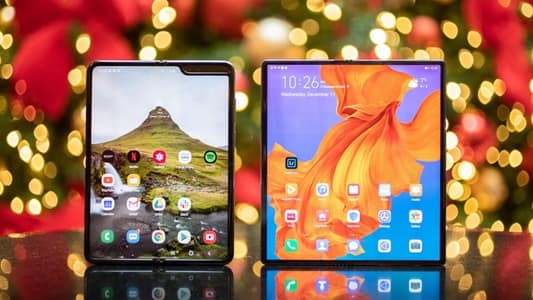
Why Foldables Genuinely Excel at Multitasking and Productivity
This is genuinely where foldable phones justify their existence most convincingly. Book-style foldables let you run multiple apps simultaneously on a genuinely larger inner display, reading long emails, editing photos, and switching between tasks with considerably more screen real estate than any regular phone can offer. One long-term Galaxy Z Fold user, six months into daily use, genuinely describes reading articles, editing photos, replying to long emails, and watching YouTube during chai breaks, all made noticeably easier by the expanded display, to the point where they genuinely say they can’t go back to a regular phone anymore.
This productivity advantage genuinely matters most for professionals who use their phone as a genuine work tool rather than purely for browsing and messaging, if you regularly juggle multiple apps or need to review documents on the go, a foldable’s expanded canvas genuinely delivers tangible daily benefit that a regular phone’s smaller screen simply cannot replicate.
Why Regular Phones Genuinely Win on Price and Simplicity
It’s genuinely worth being clear about this trade-off upfront. Foldable phones are generally considerably more expensive than traditional smartphones, and even as prices have become more competitive over time, foldables genuinely still sit in the premium category for most buyers. Regular smartphones offer genuinely lower prices, more straightforward simplicity, and proven, well-established durability that decades of smartphone engineering have refined, without the additional mechanical complexity a folding hinge introduces.
This means for buyers genuinely prioritising value and reliability over novel form factors, a regular flagship phone at a lower price point often delivers everything most people actually need, camera quality, performance, and display size, without paying the genuine premium foldable technology still commands even in 2026.
Why Durability Genuinely Remains the Central Foldable Concern
This is worth understanding honestly rather than dismissing as outdated criticism. Foldable screens use ultrathin glass or plastic, which can genuinely feel fragile compared to the rigid, well-protected glass covering a regular phone’s display. Modern foldables have genuinely improved considerably, some models now rated for hundreds of thousands of folds, and manufacturers like Google have introduced genuine engineering advances, stronger materials, anti-impact film layers, and even IP68 water resistance previously unavailable in this category.
That said, foldables genuinely still require more care than standard slab-style phones, and while the crease issue that plagued earlier generations has genuinely improved, real-world users report the hinge holding up well and the screen not visibly creasing even after months of daily heavy use, this genuine durability gap between foldables and regular phones hasn’t fully closed, making it worth honestly weighing if you’re someone genuinely rough on your devices.
Why Battery Life Genuinely Favours Regular Phones for Heavy Users
This matters considerably for anyone who’s frequently away from a charger during the day. Large foldable displays consume genuinely more power, and even though battery technology keeps improving, many foldables still genuinely struggle to match the battery endurance of regular flagship phones running smaller screens. Heavy users specifically may genuinely need mid-day charging with a foldable, a real practical consideration if your daily routine doesn’t easily accommodate topping up your phone partway through the day.
Why App Optimisation Genuinely Still Lags Behind for Foldables
This is a genuinely underappreciated practical consideration. Not every Android app is fully optimised for foldable screens yet, and while this compatibility is genuinely improving rapidly, it’s still not perfect across the board. This means certain apps you use daily might genuinely display awkwardly or fail to take proper advantage of a foldable’s expanded screen real estate, a frustration regular phone users simply never encounter since every app is genuinely designed around standard screen dimensions from the start.
Making the Genuinely Right Choice Based on Your Lifestyle
If you genuinely value multitasking, productivity on the go, and want a distinctly different, larger-screen experience, and you’re comfortable investing in a premium device while handling it with reasonable care, a foldable phone genuinely delivers a meaningfully upgraded daily experience that many long-term users say they can’t go back from. If you prioritise proven reliability, straightforward simplicity, better battery life, and considerably lower cost, a regular flagship phone genuinely remains the smarter, more practical choice for the vast majority of everyday smartphone users.
Frequently Asked Questions
Q1. Are foldable phones genuinely durable enough for everyday use in 2026, or should I still be worried?
Modern foldables are genuinely far more durable than early generations, with improved hinges and stronger display materials, some even now IP68 water-resistant, though they still require more care than a regular phone and remain somewhat more delicate by design.
Q2. Is it genuinely worth paying extra for a foldable phone if I mainly use my phone for browsing and messaging?
Probably not, foldables genuinely deliver their biggest advantage for multitasking and productivity-heavy use, if your daily usage is mostly casual browsing and messaging, a regular flagship phone genuinely offers better value without the additional premium cost.
Q3. Why does foldable phone battery life genuinely tend to be shorter than regular flagships?
Large foldable displays genuinely consume more power to run, and even with improving battery technology, many foldables still struggle to match the battery endurance regular flagship phones with smaller screens typically deliver, meaning heavy users may need mid-day charging.
Q4. Have foldable phones genuinely solved the screen crease problem from earlier generations?
Considerably improved though not entirely eliminated, newer generation foldables genuinely show less visible creasing even after months of daily heavy use, according to real-world long-term users, though this remains an area manufacturers continue actively refining with each new model.