
A college student in Bangalore genuinely spends weeks agonising over this exact decision, save up for a MacBook Air that’ll genuinely last through all four years of engineering, or grab a Windows laptop that fits comfortably within budget and runs the specific CAD software their department genuinely requires. This isn’t purely a brand preference debate either, the actual right answer genuinely depends on your specific software needs, budget, and how you’ll actually use the laptop daily.
Here’s why this comparison genuinely deserves careful thought rather than simply following whatever feels trendier: MacBooks and Windows laptops genuinely excel at different things, one delivers exceptional battery life, build quality, and long-term resale value, while the other offers considerably more budget flexibility, broader software compatibility, and genuine hardware customisation options Apple simply doesn’t provide. Understanding these genuine trade-offs, rather than choosing based on brand loyalty alone, matters enormously for a purchase you’ll genuinely be using daily for years.
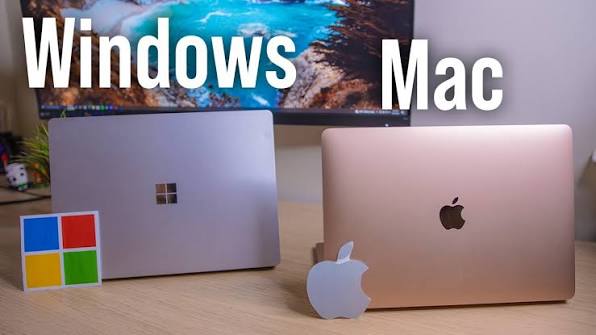
Why MacBooks Genuinely Deliver Superior Battery Life and Build Quality
This is genuinely one of Apple’s most consistent, well-earned advantages. MacBooks are famous for their premium aluminium body, slim designs, and lightweight construction, and this build quality genuinely translates into practical durability that holds up considerably better over years of daily use than most budget or mid-range Windows laptops. For students moving between classes, the library, and their dorm all day, battery life genuinely matters more than benchmark charts, and the MacBook Air typically delivers the easiest genuine “all-day” experience without needing to carry a charger everywhere.
This advantage genuinely compounds with Apple’s own M-series chips, since Apple’s transition to its own silicon has genuinely broken the old rules where Windows laptops automatically meant better performance while MacBooks meant better battery life, current MacBooks genuinely excel at sustained workloads like video editing and photo processing while consuming considerably less power than comparable Windows machines.
Why Windows Genuinely Wins on Budget Flexibility and Software Compatibility
It’s genuinely worth being fair to Windows here, since it clearly dominates specific practical needs MacBooks simply cannot address. Windows laptops are available across every price range, meaning students and budget-conscious buyers genuinely have considerably more options below the roughly ₹92,000 to ₹1,14,900 starting price for even the cheapest current MacBook. This price flexibility genuinely matters enormously for anyone needing a functional laptop without stretching their entire budget toward Apple’s premium.
This becomes genuinely non-negotiable for specific academic disciplines too, if your engineering, architecture, or IT coursework requires Windows-only software, CAD programs, specific accounting tools, or specialised engineering applications, Windows genuinely becomes the required choice regardless of how much you might otherwise prefer Mac’s ecosystem, since these programs simply don’t run natively on macOS.
Why Gaming and Dedicated Graphics Genuinely Remain Windows Territory
This matters considerably for anyone who games seriously or needs genuine GPU power for 3D rendering and CAD work. If you want to game or need a dedicated graphics card for demanding 3D or CAD applications, Windows genuinely remains the practical choice, since laptops with dedicated GPUs like an RTX 4050 or 5050 can genuinely do things a thin, GPU-less MacBook simply cannot match, regardless of how impressive Apple’s own chip performance has become for other tasks.
High-end Windows laptops with dedicated graphics cards genuinely can compete with MacBook performance on paper for creative work, but this typically comes at considerably higher cost with much shorter battery life, meaning the choice genuinely depends on whether raw graphics power or all-day battery efficiency matters more for your specific use case.
Why the Performance Gap Genuinely Surprises People in 2026
This is genuinely worth understanding with real numbers rather than assumptions. Recent comparisons between the MacBook Air M5 and premium Windows thin-and-lights show the MacBook winning speed, battery life, and noise comparisons by considerably wider margins than commonly reported, with real-world performance gaps reaching 46% in single-core and 48% in multi-core testing against comparable Intel-powered Windows ultrabooks. That said, the gap between MacBooks and premium Windows laptops has genuinely become smaller than ever in 2026, with AI-powered Windows ultrabooks running Snapdragon X Elite, Ryzen AI, or Intel Core Ultra chips now offering battery life and portability considerably closer to MacBook territory than previous Windows generations ever achieved.
Why Ecosystem Integration Genuinely Matters If You Already Own an iPhone
This is a genuinely underappreciated practical consideration. If you use an iPhone, a MacBook’s integration through AirDrop, Handoff, and seamless hotspot connection genuinely delivers meaningful daily convenience that Windows simply cannot replicate as smoothly. If you use Android instead, a Windows laptop genuinely integrates more naturally with your existing device ecosystem, making this specific consideration genuinely worth weighing alongside pure hardware specifications when choosing between the two platforms.
Why Resale Value Genuinely Favours MacBooks Considerably
This matters for anyone planning to upgrade every few years. MacBooks typically last 5 to 7 years with genuinely good performance and hold their resale value considerably better than Windows equivalents, premium Windows laptops like ThinkPads or Dell XPS models typically last 4 to 6 years, while budget Windows laptops genuinely last just 3 to 4 years before feeling noticeably dated. This means calculating total cost of ownership, including what you’ll genuinely recoup at resale, often narrows MacBook’s apparent price premium considerably more than the sticker price alone suggests.
Making the Genuinely Right Choice for Your Specific Situation
If you value battery life, build quality, long-term resale value, and don’t need Windows-specific software or dedicated gaming graphics, MacBook genuinely delivers stronger long-term value despite its higher upfront cost. If you need specific engineering or CAD software, want genuine gaming capability, or are working within a tighter budget, Windows genuinely offers the flexibility and compatibility that MacBooks simply cannot match.
Frequently Asked Questions
Q1. Is a MacBook genuinely worth the higher price for a college student in India?
Yes, genuinely, if you don’t need Windows-only software and value battery life, build quality, and resale value, a MacBook Air makes considerable sense, particularly with Apple’s education pricing offering up to 10% savings for students with a valid college email or ID.
Q2. Which laptop is genuinely better for engineering or architecture students specifically?
Windows genuinely remains the required choice for these disciplines, since CAD software, specialised engineering tools, and many department-specific applications simply don’t run natively on macOS, making Windows non-negotiable regardless of MacBook’s other advantages.
Q3. Do MacBooks genuinely last longer than Windows laptops?
Generally yes, MacBooks typically last 5 to 7 years with good performance, while premium Windows laptops last 4 to 6 years and budget Windows models genuinely last just 3 to 4 years, making MacBook’s longer lifespan and better resale value worth factoring into your total cost calculation.
Q4. Should I choose based on whether I own an iPhone or Android phone?
This genuinely matters somewhat, MacBooks offer considerably smoother integration with iPhones through features like AirDrop and Handoff, while Android users genuinely find Windows laptops integrate more naturally with their existing device ecosystem, making this worth weighing alongside pure performance considerations.