
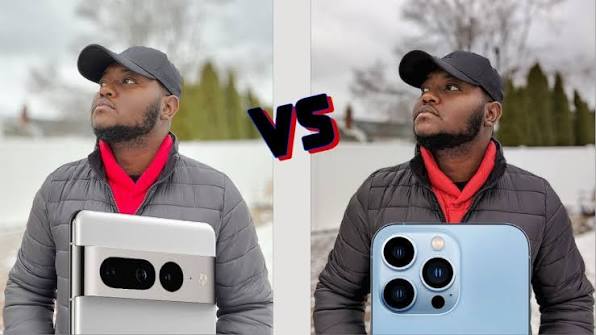
Two friends genuinely stand shoulder to shoulder photographing the same sunset, one holding a Pixel, the other an iPhone, and somehow the two photos genuinely look distinctly different, one leans warmer and more processed-looking, the other captures a more natural, true-to-life colour balance. This exact scenario plays out constantly, and it genuinely reflects something important, Google and Apple approach mobile photography through fundamentally different philosophies, and understanding which philosophy actually matches how you use your camera daily matters more than simply chasing megapixel numbers.
Here’s why this comparison genuinely deserves nuanced treatment rather than a single declared winner: Google Pixel and iPhone genuinely excel in different specific areas, low-light photography and computational processing versus video quality and natural colour reproduction, and the “better” camera genuinely depends on whether you’re primarily a photo enthusiast, someone who shoots content for social media, or a video-focused creator. Understanding these genuine strengths helps you choose based on your actual shooting habits rather than marketing claims.
Why Pixel Genuinely Dominates Low-Light and Computational Photography
This is genuinely Google’s most consistent, well-earned reputation across nearly every comparison. The Pixel’s low-light performance has genuinely been a standout across reviewer coverage repeatedly, with Google’s computational processing producing results that punch above what the raw hardware specifications alone would suggest. Features like Night Sight continue functioning as the benchmark other manufacturers are genuinely still chasing, and newer capabilities like Video Boost stabilisation genuinely make handheld night video look deliberate and stable rather than shaky and accidental.
This computational advantage genuinely stems from Google’s core photography philosophy, rather than relying purely on larger camera hardware, Google uses software intelligence extensively, meaning Pixel phones are genuinely engineered to produce strong images automatically without requiring the user to understand manual camera settings or post-processing adjustments themselves.
Why iPhone Genuinely Leads Decisively on Video Quality
It’s genuinely worth being clear that Apple isn’t simply competing on photos, video is where the iPhone genuinely pulls ahead without much serious debate. For anyone where video represents a genuine priority, the iPhone 17 Pro isn’t a close call, Apple’s ProRes Log support, Dual Capture functionality, high-frame-rate 4K recording, and a vapor-chambered chip that genuinely runs cooler under sustained recording load position it uniquely for serious video production work that no other phone in 2026 genuinely matches.
This video dominance genuinely matters enormously for content creators specifically, YouTubers, Instagram reel creators, and anyone regularly shooting video content will genuinely find iPhone’s video capabilities considerably more capable and professional-grade than what Pixel currently offers, even though Pixel might edge ahead in still photography under specific conditions.
Why Colour Reproduction Genuinely Reflects Different Philosophies
This distinction genuinely surprises people who assume “better camera” means uniformly superior specs. Apple genuinely focuses on natural colour accuracy, producing images that closely match what your eye actually perceived in the moment, while Google’s Pixel sometimes surprisingly serves up richer colour rendition despite technically narrower dynamic range in certain comparisons, reflecting Google’s more processed, computationally-enhanced approach to image output.
This genuine difference in colour philosophy means your personal preference genuinely matters here more than any objective “correct” answer, some photographers genuinely prefer iPhone’s more restrained, true-to-life colour reproduction for professional or editorial work, while others genuinely prefer Pixel’s punchier, more immediately impressive-looking output straight out of the camera without needing additional editing.
Why Zoom Photography Genuinely Favours Neither of These Two Specifically
This is worth understanding honestly rather than forcing a false choice between just these two brands. When it comes to pure zoom capability and flexibility, Samsung’s Galaxy Ultra lineup genuinely offers the best zoom photography among the three major camera phone brands, while Google Pixel’s telephoto story has genuinely improved considerably in 2026 with up to 100x Pro Res Zoom, and Apple markets its 8x zoom mode as optical-quality with sample results generally backing that claim. This means if zoom photography genuinely represents your primary shooting need, it’s worth honestly comparing all three major brands rather than assuming this comparison between just Pixel and iPhone covers every relevant option.
Why Ease of Use Genuinely Favours Pixel for Casual Shooters
This matters considerably for anyone who simply wants great photos without thinking too hard about camera settings. Choose Pixel genuinely if you want the easiest path to consistently excellent photos, since Google’s computational approach handles the technical heavy lifting automatically, delivering strong results even when you’re shooting quickly without careful composition or settings adjustment. This genuine ease-of-use advantage matters enormously for parents photographing kids, travellers capturing spontaneous moments, or anyone who simply wants their phone to reliably produce great shots without fuss.
Making the Genuinely Right Choice Based on How You Actually Shoot
If you’re primarily a photo enthusiast prioritising consistent, impressive results with minimal effort, particularly in challenging low-light conditions, Google Pixel’s computational photography genuinely delivers the most reliable value, especially given its typically lower price point compared to premium iPhone Pro models. If video quality, content creation, and natural, true-to-life colour reproduction matter most to your specific use case, iPhone’s video-focused engineering genuinely justifies its position as the stronger overall choice for creators and videographers specifically.
Frequently Asked Questions
Q1. Which phone genuinely takes better photos in low light, Pixel or iPhone?
Google Pixel genuinely wins this comparison consistently across multiple reviews, its computational photography and Night Sight technology continue serving as the benchmark other manufacturers are still trying to match, particularly for handheld night photography and video.
Q2. Is iPhone genuinely better than Pixel for someone who creates video content regularly?
Yes, genuinely, without much debate, iPhone’s ProRes Log support, Dual Capture, high-frame-rate 4K recording, and superior thermal management for sustained video recording make it genuinely the stronger choice for anyone prioritising serious video production over pure photo quality.
Q3. Why do Pixel and iPhone photos genuinely look so different even in identical lighting conditions?
This reflects genuinely different photography philosophies, Google’s computational processing often produces richer, more immediately punchy colours, while Apple prioritises natural, true-to-life colour accuracy that closely matches what your eye actually perceived, making personal preference a genuine factor in which look you prefer.
Q4. Should I choose Pixel specifically because it’s genuinely easier to use than iPhone for casual photography?
Yes, generally, if you want consistently good photos without needing to think about camera settings, Pixel’s computational photography genuinely handles this automatically and reliably, making it a genuinely strong choice for casual shooters who prioritise convenience over manual creative control.