
Pasta is one of the most popular comfort foods in the world, loved for its versatility, rich flavors, and satisfying texture. While cooking pasta may seem simple, professional chefs follow a few important techniques to ensure every bite is perfectly tender, flavorful, and coated with sauce. The difference between ordinary pasta and restaurant-quality pasta often comes down to proper cooking methods rather than fancy ingredients.
Whether you’re making spaghetti, penne, fusilli, fettuccine, or macaroni, learning a few chef-approved tips can elevate your homemade pasta. From choosing the right pot and seasoning the cooking water to finishing the pasta in the sauce, these techniques will help you prepare delicious meals every time.
Ingredients
For a basic pasta dish, you will need:
- 250 grams pasta (spaghetti, penne, fusilli, or your choice)
- 2–3 liters water
- 1–2 tablespoons salt
- 2 tablespoons olive oil (for the sauce, optional)
- Your favorite pasta sauce (tomato, Alfredo, pesto, or garlic butter)
- Fresh herbs such as basil or parsley (optional)
- Grated Parmesan or other cheese (optional)
You can also add vegetables, chicken, seafood, mushrooms, or paneer to make the dish more filling.
Step 1: Use a Large Pot
Professional chefs always cook pasta in a large pot with plenty of water.
Using enough water allows the pasta to move freely while cooking, preventing it from sticking together.
As a general rule, use about 1 liter of water for every 100 grams of pasta.
Step 2: Bring the Water to a Rolling Boil
Wait until the water reaches a full rolling boil before adding the pasta.
Adding pasta too early can result in uneven cooking and a sticky texture.
The boiling water helps cook the pasta evenly from the start.
Step 3: Salt the Water Generously
Salt is one of the most important ingredients when cooking pasta.
Add about 1–2 tablespoons of salt to the boiling water before adding the pasta.
The pasta absorbs some of the seasoned water while cooking, giving it flavor from the inside.
Avoid adding oil to the boiling water, as it can prevent the sauce from sticking to the pasta.
Step 4: Add the Pasta
Place the pasta into the boiling water and stir immediately.
Stir again during the first few minutes of cooking to prevent the pasta from sticking together.
Cook according to the package instructions, but begin checking for doneness 1–2 minutes before the recommended time.
Step 5: Cook Until Al Dente
Chefs recommend cooking pasta al dente, an Italian term meaning “to the tooth.”
Al dente pasta is tender on the outside while remaining slightly firm in the center.
This texture gives the pasta a better bite and helps it hold its shape when mixed with sauce.
Taste a piece to check if it has reached the desired texture.
Step 6: Reserve Pasta Water
Before draining the pasta, save about one cup of the cooking water.
Pasta water contains starch released during cooking, making it perfect for adjusting the consistency of your sauce.
Adding a little pasta water helps sauces become silky and cling better to the pasta.
Step 7: Drain the Pasta Properly
Drain the pasta using a colander.
Do not rinse the pasta unless you’re preparing a cold pasta salad.
Rinsing removes the starch that helps the sauce coat the pasta evenly.
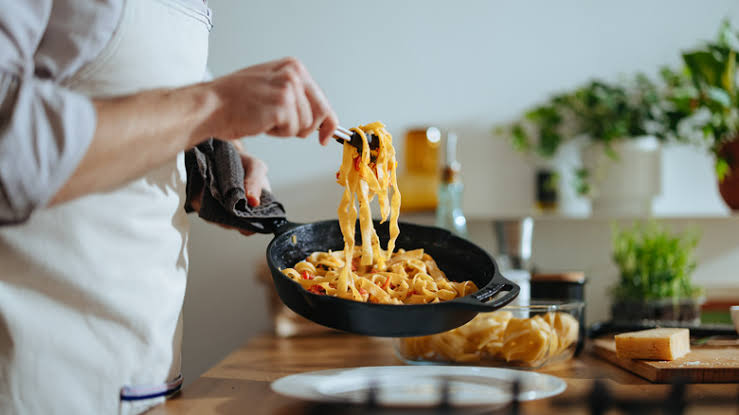
Step 8: Finish Cooking in the Sauce
One of the biggest chef secrets is finishing the pasta directly in the sauce.
Heat your prepared sauce in a large pan, add the cooked pasta, and toss everything together for 1–2 minutes.
If needed, add a small amount of reserved pasta water to create a smooth, glossy sauce.
This final step allows the pasta to absorb the flavors of the sauce.
Popular Pasta Sauces
There are many delicious sauces you can pair with pasta, including:
- Classic tomato sauce
- Alfredo sauce
- Pesto sauce
- Garlic butter sauce
- Creamy mushroom sauce
- Arrabbiata sauce
- Cheese sauce
- Olive oil with herbs and garlic
Choose a sauce that complements the shape and texture of your pasta.
Tips for Restaurant-Quality Pasta
- Use plenty of boiling water.
- Salt the water generously.
- Stir the pasta during the first few minutes.
- Cook until al dente.
- Reserve some pasta water before draining.
- Finish cooking the pasta in the sauce.
- Garnish with fresh herbs and grated cheese.
- Serve immediately while hot.
Common Mistakes to Avoid
1. Using Too Little Water
Crowded pasta sticks together and cooks unevenly.
2. Adding Oil to the Boiling Water
Oil coats the pasta, making it difficult for the sauce to stick.
3. Overcooking the Pasta
Soft, mushy pasta loses its texture and becomes less enjoyable.
4. Rinsing After Cooking
Unless making a cold salad, avoid rinsing cooked pasta because it removes the starch needed for proper sauce adhesion.
5. Serving Sauce on Top
Instead of placing sauce over plain pasta, toss the pasta directly with the sauce for better flavor and coating.
Benefits of Pasta
Pasta provides carbohydrates that serve as an excellent source of energy for the body. Whole wheat pasta also contains dietary fiber, vitamins, and minerals that support digestive health and help you feel full longer. When paired with vegetables, lean proteins, and healthy sauces, pasta can be part of a balanced and nutritious meal. It is also quick to prepare, making it a convenient option for busy families and home cooks.
Conclusion
Cooking pasta like a chef is all about mastering a few simple techniques. Using plenty of salted boiling water, cooking the pasta until al dente, reserving starchy pasta water, and finishing the pasta in the sauce can transform an ordinary meal into a restaurant-quality dish. Whether you’re preparing a classic spaghetti dinner or experimenting with creamy or vegetable-based sauces, these professional tips will help you create flavorful, perfectly cooked pasta every time. With practice and attention to detail, you can enjoy delicious homemade pasta that rivals your favorite Italian restaurant.
Frequently Asked Questions (FAQs)
Q: Should I add oil to pasta water?
A: No. Oil is unnecessary and can prevent the sauce from coating the pasta properly.
Q: What does al dente mean?
A: Al dente means the pasta is cooked until tender but still slightly firm when bitten.
Q: Can I cook pasta ahead of time?
A: Yes. Slightly undercook it, toss with a small amount of olive oil, and refrigerate. Finish cooking it in the sauce before serving.
Q: Why should I save pasta water?
A: The starchy cooking water helps create a smooth, creamy sauce that clings beautifully to the pasta.