
Baking a delicious cake doesn’t always require a traditional oven. Many home cooks successfully bake soft, fluffy cakes using a pressure cooker, heavy-bottomed pot, or deep pan on a stovetop. This method is especially popular in homes where an oven is unavailable or for those looking for a simple alternative. With the right ingredients, proper preparation, and careful temperature control, you can make a bakery-style cake that is moist, flavorful, and perfectly baked.
Whether you’re preparing a birthday cake, a tea-time snack, or a simple dessert for your family, stovetop baking is an easy and reliable technique. The key is to create even heat around the cake, similar to what an oven provides.
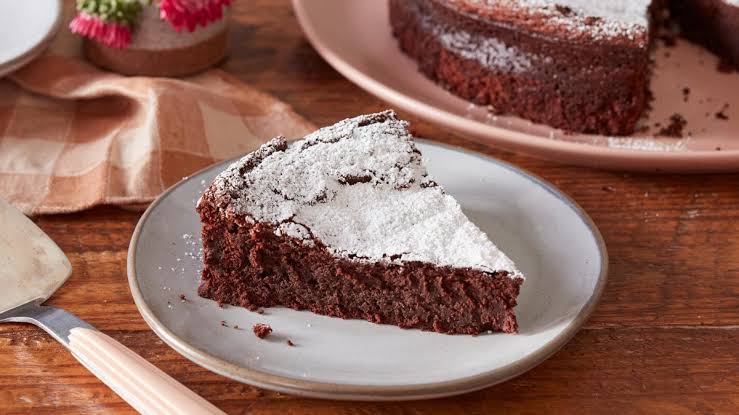
Ingredients
For a basic vanilla cake, you will need:
- 2 cups all-purpose flour
- 1½ teaspoons baking powder
- ½ teaspoon baking soda
- 1 cup sugar
- ½ cup melted butter or vegetable oil
- 2 eggs (or use yogurt for an eggless version)
- 1 teaspoon vanilla extract
- ¾ cup milk
- A pinch of salt
You can also add chocolate chips, nuts, raisins, or fresh fruit for extra flavor.
Step 1: Prepare the Cake Batter
In a large bowl, mix the flour, baking powder, baking soda, and salt.
In another bowl, whisk together the sugar, eggs, butter, vanilla extract, and milk until smooth. Gradually add the dry ingredients to the wet mixture and gently mix until a lump-free batter forms.
Avoid overmixing, as this can make the cake dense instead of soft and fluffy.
Step 2: Grease the Cake Pan
Grease a cake tin with butter or oil and lightly dust it with flour. You can also line the base with parchment paper to prevent sticking.
Pour the prepared batter into the pan and gently tap it on the counter to remove trapped air bubbles.
Step 3: Prepare the Stovetop “Oven”
Choose one of the following methods:
Heavy-Bottomed Pot
Place a metal stand, trivet, or small rack inside a large heavy-bottomed pot. Cover the pot with a lid and preheat it on medium heat for about 10 minutes.
Pressure Cooker
Remove the rubber gasket and whistle from the pressure cooker. Place a stand inside and preheat it for about 10 minutes.
Never use water inside the cooker when baking a cake.
Step 4: Bake the Cake
Carefully place the cake tin on the stand inside the pot or cooker.
Cover with the lid.
Bake over low to medium heat for approximately 35–50 minutes, depending on the size of the cake and the thickness of the pan.
Avoid opening the lid frequently, as this causes heat loss and may prevent the cake from rising properly.
Step 5: Check for Doneness
Insert a toothpick or skewer into the center of the cake.
If it comes out clean or with a few dry crumbs, the cake is fully baked.
If wet batter sticks to the toothpick, continue baking for another 5–10 minutes before checking again.
Step 6: Cool the Cake
Once baked, carefully remove the cake pan from the pot.
Allow the cake to cool in the pan for about 10 minutes before transferring it to a wire rack.
Cooling helps the cake firm up and prevents it from breaking while removing it from the pan.
Step 7: Decorate and Serve
Once completely cooled, decorate your cake as desired.
Popular toppings include:
- Buttercream frosting
- Chocolate ganache
- Whipped cream
- Fresh fruits
- Sprinkles
- Chopped nuts
- Powdered sugar
Serve with tea, coffee, or a scoop of ice cream for a delightful dessert.
Tips for Baking Without an Oven
- Always preheat the pot or cooker before placing the cake inside.
- Use a thick-bottomed pot for even heat distribution.
- Bake on low to medium heat to avoid burning the bottom.
- Do not overfill the cake tin; leave room for the batter to rise.
- Avoid opening the lid during the first 30 minutes of baking.
- Measure ingredients accurately for the best texture.
- Use fresh baking powder and baking soda for proper rising.
Common Mistakes to Avoid
1. Using High Heat
High heat may burn the bottom while leaving the center undercooked.
2. Overmixing the Batter
Excessive mixing develops gluten, resulting in a dense cake.
3. Skipping Preheating
A properly preheated pot creates consistent heat and helps the cake rise evenly.
4. Filling the Pan Too Much
Leave at least one-third of the pan empty to allow space for the cake to expand.
5. Opening the Lid Too Early
Opening the lid frequently allows heat to escape and may cause the cake to collapse.
Benefits of Baking Without an Oven
Stovetop baking is convenient, affordable, and accessible for households that do not own an oven. It requires minimal equipment and uses common kitchen utensils like a pressure cooker or heavy pot. This method also consumes less electricity compared to conventional ovens and is ideal for preparing small cakes. With proper technique, stovetop cakes can be just as soft, moist, and flavorful as oven-baked cakes.
Conclusion
Baking a cake without an oven is simple, practical, and produces delicious results when done correctly. By using a heavy-bottomed pot or pressure cooker, preparing a well-balanced batter, maintaining low to medium heat, and following the right baking techniques, you can create soft, moist, and flavorful cakes at home. Whether you’re baking for a celebration or simply satisfying a sweet craving, this method proves that you don’t need an oven to enjoy a homemade cake that everyone will love.
Frequently Asked Questions (FAQs)
Q: Can I bake a cake in a pressure cooker?
A: Yes. Remove the rubber gasket and pressure whistle before baking, and never add water inside the cooker.
Q: How long does it take to bake a cake without an oven?
A: Most cakes take between 35 and 50 minutes, depending on the recipe, pan size, and heat level.
Q: Can I make an eggless cake without an oven?
A: Yes. Replace eggs with yogurt, condensed milk, mashed banana, or applesauce depending on the recipe.
Q: How do I know when the cake is done?
A: Insert a toothpick into the center. If it comes out clean, the cake is fully baked.