
Meal prepping is one of the easiest ways to save time, eat healthier, and reduce stress during a busy week. Instead of wondering what to cook every day, you prepare meals or ingredients in advance so that breakfast, lunch, dinner, and snacks are ready when you need them. Whether you’re a student, working professional, or busy parent, weekly meal prep can help you stay organized and avoid unhealthy last-minute food choices.
The key to successful meal prep is planning ahead, choosing simple recipes, storing food safely, and preparing ingredients that can be used in multiple meals. With just a few hours of preparation on the weekend, you can enjoy fresh, homemade meals throughout the week.
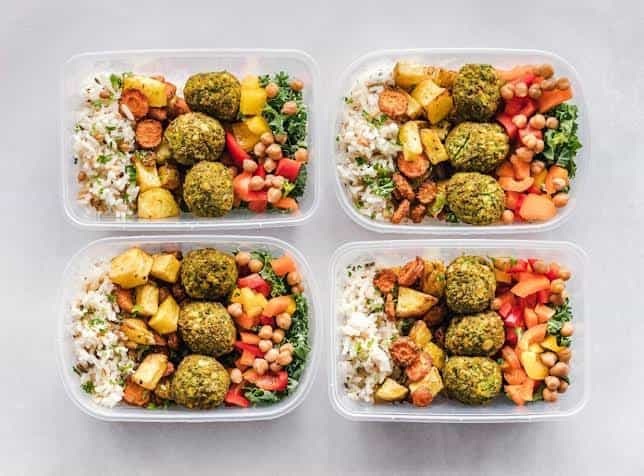
Step 1: Plan Your Weekly Menu
Before shopping, decide what you will eat each day. Planning your meals helps prevent food waste and ensures you buy only what you need.
A balanced weekly menu should include:
- Whole grains like rice, quinoa, oats, or whole wheat roti
- Protein sources such as chicken, fish, eggs, paneer, lentils, or beans
- Fresh vegetables
- Fruits
- Healthy fats like nuts, seeds, or olive oil
- Dairy or plant-based alternatives
Choose recipes that share common ingredients to save both time and money.
Step 2: Make a Grocery List
After planning your meals, prepare a shopping list organized by categories such as vegetables, fruits, dairy, grains, spices, and proteins.
Buying everything at once reduces unnecessary grocery trips and helps you stick to your budget.
Always check your pantry before shopping so you don’t purchase ingredients you already have.
Step 3: Set Aside Time for Meal Prep
Most people choose Sunday or another free day for meal preparation.
Set aside 2–3 hours to:
- Wash vegetables
- Chop fruits
- Cook grains
- Prepare proteins
- Make sauces and dressings
- Portion snacks
- Pack meals
Preparing everything in one session saves valuable time during the rest of the week.
Step 4: Cook in Batches
Batch cooking is one of the biggest secrets to efficient meal prep.
Instead of preparing one serving at a time, cook larger quantities of foods that can be used in different meals.
Examples include:
- Brown rice
- Boiled potatoes
- Grilled chicken
- Chickpeas
- Rajma
- Dal
- Paneer
- Roasted vegetables
These ingredients can be mixed and matched throughout the week to create different meals without becoming repetitive.
Step 5: Portion Your Meals
Divide cooked food into individual containers based on your meal plan.
Each meal should ideally contain:
- Protein
- Complex carbohydrates
- Vegetables
- Healthy fats
Pre-portioned meals make it easier to control serving sizes and reduce overeating.
Label containers with the preparation date if you’re making food for several days.
Step 6: Store Food Properly
Proper storage keeps your meals fresh and safe to eat.
Tips for storage:
- Use airtight containers.
- Refrigerate meals that will be eaten within 3–4 days.
- Freeze meals intended for later in the week.
- Keep dressings and sauces separate until serving.
- Allow hot food to cool slightly before refrigerating.
Glass containers are often preferred because they are durable, microwave-safe, and do not absorb food odors.
Step 7: Prep Healthy Snacks
Preparing snacks in advance helps reduce cravings for processed foods.
Healthy snack ideas include:
- Fresh fruit
- Mixed nuts
- Yogurt
- Roasted chickpeas
- Boiled eggs
- Vegetable sticks with hummus
- Homemade energy balls
Store snacks in small containers so they’re ready to grab whenever hunger strikes.
Sample Weekly Meal Prep Plan
Here’s an example of a simple weekly plan:
Breakfast
- Overnight oats
- Vegetable poha
- Boiled eggs
- Fruit with yogurt
Lunch
- Brown rice with dal and vegetables
- Grilled chicken with salad
- Paneer with whole wheat roti
- Chickpea curry with rice
Dinner
- Vegetable soup
- Stir-fried vegetables
- Quinoa bowl
- Mixed vegetable curry
Snacks
- Fruits
- Nuts
- Yogurt
- Roasted makhana
Preparing these meals in advance makes weekday cooking much easier.
Tips for Successful Meal Prep
- Start with simple recipes if you’re new to meal prepping.
- Prepare ingredients that can be used in multiple dishes.
- Rotate recipes weekly to avoid boredom.
- Season food differently for variety.
- Keep your refrigerator organized.
- Use freezer-friendly recipes for longer storage.
- Always practice good kitchen hygiene.
Common Mistakes to Avoid
1. Preparing Too Much Food
Cooking excessive amounts may lead to food waste if meals are not eaten before they spoil.
2. Ignoring Food Safety
Never leave cooked food at room temperature for long periods. Refrigerate promptly after cooling.
3. Choosing Complicated Recipes
Complex recipes increase preparation time and make meal prepping less enjoyable.
4. Not Having Enough Containers
Invest in quality reusable containers to make storing meals easier.
5. Forgetting Variety
Eating the exact same meal every day can become boring. Change sauces, spices, or side dishes to keep meals interesting.
Benefits of Weekly Meal Prep
Meal prepping offers several advantages beyond convenience. It saves time by reducing daily cooking, helps manage food expenses through planned shopping, supports healthy eating by limiting reliance on fast food, and makes portion control easier. It also reduces food waste because ingredients are used efficiently. Additionally, having nutritious meals ready encourages consistent healthy eating habits even during busy workdays.
Conclusion
Meal prepping for the entire week is a practical habit that saves time, reduces stress, and supports healthier eating. By planning your menu, shopping wisely, cooking in batches, and storing food correctly, you can enjoy delicious homemade meals every day without spending hours in the kitchen. Whether your goal is better nutrition, weight management, or simply making life easier, weekly meal prep is an effective strategy that anyone can adopt with a little planning and consistency.
Frequently Asked Questions (FAQs)
Q: How long do meal-prepped meals stay fresh?
A: Most refrigerated meals stay fresh for 3–4 days. Meals stored in the freezer can last for several weeks when properly sealed.
Q: Can I meal prep vegetarian meals?
A: Yes. Lentils, beans, tofu, paneer, quinoa, vegetables, and whole grains are excellent options for vegetarian meal prep.
Q: Should I freeze all meals?
A: No. Refrigerate meals for the first few days and freeze those intended for later in the week.
Q: Is meal prepping expensive?
A: Not at all. In fact, meal prepping often saves money by reducing food waste, avoiding impulse purchases, and minimizing restaurant meals.