
Reading food nutrition labels is one of the most effective ways to make healthier food choices. Whether you’re trying to lose weight, manage diabetes, reduce sodium intake, or simply eat a balanced diet, understanding the information on food packaging can help you select products that meet your nutritional needs. While nutrition labels may seem confusing at first, learning how to read them takes only a few minutes and can have a lasting impact on your health.
A food nutrition label provides important details about the nutrients in a packaged food, including calories, fats, carbohydrates, protein, vitamins, minerals, and ingredients. By comparing labels, you can choose products that are lower in added sugar, unhealthy fats, and sodium while being higher in fiber and essential nutrients.
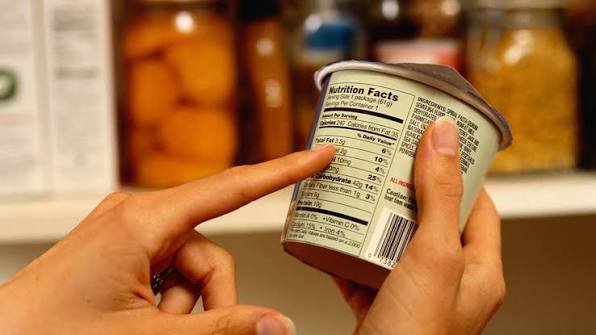
Start with the Serving Size
The first thing to check on a nutrition label is the serving size. All the nutritional information listed on the package is based on this amount.
For example, if the serving size is 100 grams but you eat 200 grams, you are consuming twice the calories, fat, sugar, and other nutrients shown on the label.
Always compare the serving size with the amount you actually eat to understand your total nutrient intake.
Check the Calories
Calories indicate how much energy a food provides.
If you’re managing your weight, comparing calorie counts between similar products can help you make better choices.
Remember that a food labeled as “low calorie” may still contribute a significant number of calories if you consume multiple servings.
Calories should be considered together with the nutritional quality of the food rather than viewed alone.
Look at the Total Fat
Fat is an essential nutrient, but not all fats are healthy.
Nutrition labels usually list:
- Total fat
- Saturated fat
- Trans fat
Choose foods that are lower in saturated fat and avoid products containing trans fats whenever possible.
Healthy fats from nuts, seeds, olive oil, and avocados are generally better choices than foods high in unhealthy fats.
Pay Attention to Cholesterol and Sodium
High sodium intake can increase the risk of high blood pressure and heart disease.
When comparing products, choose those with lower sodium content, especially if you regularly eat packaged foods.
Similarly, people with certain medical conditions may need to monitor cholesterol intake.
Fresh foods usually contain much less sodium than highly processed products.
Understand Carbohydrates
Total carbohydrates include:
- Dietary fiber
- Total sugars
- Added sugars
- Starches
Carbohydrates provide energy, but it’s important to distinguish between healthy and less healthy sources.
Whole grains, fruits, vegetables, and legumes provide complex carbohydrates along with fiber and nutrients.
Foods with large amounts of added sugar should be consumed in moderation.
Check Dietary Fiber
Fiber is one of the most beneficial nutrients for digestive health.
A diet rich in fiber helps:
- Improve digestion
- Promote fullness
- Support heart health
- Maintain healthy blood sugar levels
Choose products that provide a higher amount of dietary fiber whenever possible.
Whole grain cereals, oats, beans, fruits, and vegetables are excellent fiber sources.
Watch for Added Sugars
Many packaged foods contain added sugars, even products that don’t taste particularly sweet.
Added sugars may appear under different names, including:
- Sugar
- Corn syrup
- Glucose syrup
- Dextrose
- Maltose
- Honey
- Molasses
Choosing foods with little or no added sugar supports better overall health and helps reduce excess calorie intake.
Check the Protein Content
Protein helps build and repair muscles, supports immunity, and keeps you feeling full.
Foods with higher protein content are often more satisfying and may help reduce unnecessary snacking.
Good protein sources include:
- Dairy products
- Eggs
- Lentils
- Beans
- Chicken
- Fish
- Paneer
- Soy products
Compare protein levels when choosing snacks or meal replacements.
Read the Ingredient List
The ingredient list tells you what the product contains.
Ingredients are listed in descending order by weight, meaning the first ingredient is present in the largest quantity.
Look for products where:
- Whole grains appear first.
- Vegetables or fruits are among the main ingredients.
- The ingredient list is relatively short.
- Artificial additives are limited.
If sugar is one of the first few ingredients, the product likely contains a significant amount of added sugar.
Understand Daily Value (%DV)
Many nutrition labels include the Percentage Daily Value (%DV), which shows how much a nutrient contributes to your daily dietary needs.
As a general guide:
- 5% Daily Value or less is considered low.
- 20% Daily Value or more is considered high.
This helps you quickly compare products and identify foods that are rich in beneficial nutrients like fiber or low in nutrients such as sodium.
Compare Similar Products
One of the best uses of nutrition labels is comparing similar foods.
For example, when choosing breakfast cereals, compare:
- Calories
- Fiber
- Protein
- Added sugar
- Sodium
Selecting the healthier option becomes much easier when you examine labels side by side.
Common Mistakes to Avoid
1. Ignoring Serving Size
Many people only read the calories without noticing that the package contains multiple servings.
2. Focusing Only on Calories
Low-calorie foods are not always nutritious. Consider fiber, protein, vitamins, and ingredient quality as well.
3. Overlooking Added Sugars
Some products marketed as “healthy” may still contain high amounts of added sugar.
4. Believing Marketing Claims Alone
Terms like “natural,” “multigrain,” or “low fat” do not automatically mean a product is healthy. Always verify the nutrition facts and ingredient list.
Benefits of Reading Nutrition Labels
Learning to read nutrition labels offers many advantages. It helps you make informed food choices, manage your calorie intake, reduce consumption of unhealthy fats, sugar, and sodium, and increase your intake of beneficial nutrients like fiber and protein. Reading labels also supports healthier meal planning, weight management, and the prevention of chronic diseases such as diabetes and heart disease.
Conclusion
Reading food nutrition labels is a simple habit that can significantly improve your diet and overall health. By understanding serving sizes, calories, fats, carbohydrates, protein, fiber, sodium, added sugars, and ingredient lists, you can confidently choose healthier foods for yourself and your family. Making label reading part of your grocery shopping routine allows you to enjoy balanced nutrition, avoid unnecessary ingredients, and support long-term wellness with every purchase.
Frequently Asked Questions (FAQs)
Q: Why is serving size important?
A: Serving size determines the nutritional values listed on the label. Eating more than one serving means consuming more calories and nutrients than indicated.
Q: What should I look for first on a nutrition label?
A: Start with the serving size, then review calories, fat, sodium, added sugars, fiber, protein, and the ingredient list.
Q: Are all packaged foods unhealthy?
A: No. Many packaged foods such as oats, frozen vegetables, beans, yogurt, and whole-grain products can be nutritious. Reading the label helps identify healthier options.
Q: How can I reduce sugar intake using nutrition labels?
A: Choose products with lower added sugar and check the ingredient list to avoid foods where sugar is one of the main ingredients.