
Peanut butter is a delicious, creamy spread enjoyed around the world. It is rich in protein, healthy fats, vitamins, and minerals, making it a nutritious addition to breakfast, snacks, and desserts. While store-bought peanut butter is convenient, homemade peanut butter offers several advantages. You can control the ingredients, avoid unnecessary preservatives and added sugars, and customize the flavor to your preference.
Making peanut butter at home requires only a few simple ingredients and a food processor or high-powered blender. In just 15–20 minutes, you can prepare fresh, creamy peanut butter that tastes better than many commercial varieties. Whether you prefer it smooth or crunchy, homemade peanut butter is easy to make and can be used in sandwiches, smoothies, oatmeal, baking, or simply spread on toast.
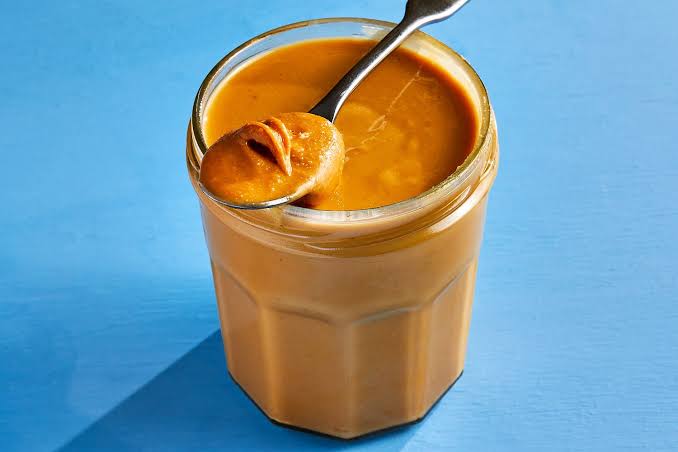
Ingredients
For a basic homemade peanut butter, you will need:
- 2 cups roasted peanuts (unsalted or lightly salted)
- 1–2 teaspoons peanut oil or any neutral oil (optional)
- ½ teaspoon salt (optional)
- 1–2 teaspoons honey or maple syrup (optional, for sweetness)
These ingredients can be adjusted according to your taste. If you enjoy natural peanut butter, roasted peanuts alone are enough.
Step 1: Choose Quality Peanuts
The quality of peanuts directly affects the flavor of your peanut butter.
Use fresh roasted peanuts for the best taste. You can buy roasted peanuts or roast raw peanuts at home by baking them in a preheated oven at 180°C (350°F) for about 10–15 minutes until lightly golden and aromatic.
Allow the peanuts to cool slightly before blending.
Step 2: Add Peanuts to the Food Processor
Place the roasted peanuts into a food processor or high-speed blender.
Initially, the peanuts will break into coarse crumbs. Continue processing without stopping.
As the peanuts release their natural oils, the mixture will gradually change from crumbs to a thick paste and finally into smooth peanut butter.
This process usually takes about 5–10 minutes depending on the power of your appliance.
Step 3: Add Optional Ingredients
Once the peanut butter becomes creamy, you may add:
- Salt for flavor
- Honey or maple syrup for sweetness
- Peanut oil if you prefer a thinner consistency
Blend for another minute until everything is evenly combined.
Taste and adjust the seasoning as needed.
Step 4: Make It Crunchy (Optional)
If you enjoy crunchy peanut butter, reserve a handful of roasted peanuts before blending.
Chop them coarsely and stir them into the finished peanut butter.
This creates a delicious texture while keeping the spread creamy.
Step 5: Store Properly
Transfer the peanut butter into a clean, airtight glass jar.
Store it in the refrigerator for up to 3–4 weeks.
Natural peanut butter may separate over time as the oil rises to the top. Simply stir it well before each use.
Ways to Enjoy Homemade Peanut Butter
Homemade peanut butter is extremely versatile.
You can enjoy it with:
- Whole wheat toast
- Apples or banana slices
- Oatmeal
- Smoothies
- Pancakes
- Waffles
- Yogurt
- Crackers
- Protein shakes
- Homemade cookies and brownies
It also works well as a base for salad dressings, sauces, and Asian-inspired dishes.
Tips for Perfect Peanut Butter
- Use freshly roasted peanuts for maximum flavor.
- Blend patiently; smooth peanut butter takes several minutes.
- Scrape down the sides of the food processor occasionally.
- Avoid adding water, as it can affect the texture and shelf life.
- Adjust sweetness and salt according to your preference.
- Store in a clean, dry container to maintain freshness.
Flavor Variations
One of the advantages of homemade peanut butter is that you can customize it easily.
Popular variations include:
1. Chocolate Peanut Butter
Blend in one tablespoon of unsweetened cocoa powder and a little honey.
2. Cinnamon Peanut Butter
Add half a teaspoon of ground cinnamon for a warm, comforting flavor.
3. Honey Peanut Butter
Mix in one or two teaspoons of honey for natural sweetness.
4. Spicy Peanut Butter
Add a pinch of cayenne pepper or chili powder for a unique twist.
5. Vanilla Peanut Butter
Blend in a few drops of vanilla extract for extra aroma.
Common Mistakes to Avoid
1. Stopping the Blender Too Early
Many beginners think the mixture has failed when it becomes crumbly. Continue blending, and the natural oils will eventually create a smooth paste.
2. Adding Too Much Oil
Peanuts naturally contain healthy oils. Add extra oil only if necessary.
3. Using Stale Peanuts
Old peanuts produce dull-tasting peanut butter and may develop an unpleasant flavor.
4. Adding Water
Water can cause the peanut butter to spoil more quickly and affect its creamy consistency.
5. Over-Sweetening
Too much honey or sugar can overpower the natural roasted peanut flavor.
Benefits of Homemade Peanut Butter
Homemade peanut butter is packed with plant-based protein, healthy monounsaturated fats, vitamin E, magnesium, and antioxidants. It provides long-lasting energy, supports muscle maintenance, and helps keep you full between meals. Since you control the ingredients, homemade peanut butter contains fewer additives, preservatives, and unnecessary sugars than many commercial brands. It is an excellent choice for athletes, growing children, and anyone looking for a wholesome, nutrient-rich spread.
Conclusion
Making homemade peanut butter is simple, affordable, and rewarding. With just roasted peanuts and a few optional ingredients, you can prepare a fresh, creamy spread that is healthier than many store-bought alternatives. By choosing quality peanuts, blending patiently, and storing the peanut butter correctly, you’ll enjoy a delicious, protein-rich spread that’s perfect for breakfast, snacks, smoothies, and baking. Homemade peanut butter not only tastes fresh but also allows you to customize flavors while avoiding unnecessary additives, making it an excellent addition to a healthy diet.
Frequently Asked Questions (FAQs)
Q: Can I use raw peanuts?
A: Yes, but roasting them first enhances both the flavor and texture of the peanut butter.
Q: How long does homemade peanut butter last?
A: Stored in an airtight container in the refrigerator, it typically stays fresh for 3–4 weeks.
Q: Why is my peanut butter dry?
A: It may need more blending time. If necessary, add a teaspoon of peanut oil to achieve a smoother consistency.
Q: Can I make peanut butter without oil?
A: Absolutely. Roasted peanuts naturally release enough oil during blending to create creamy peanut butter.